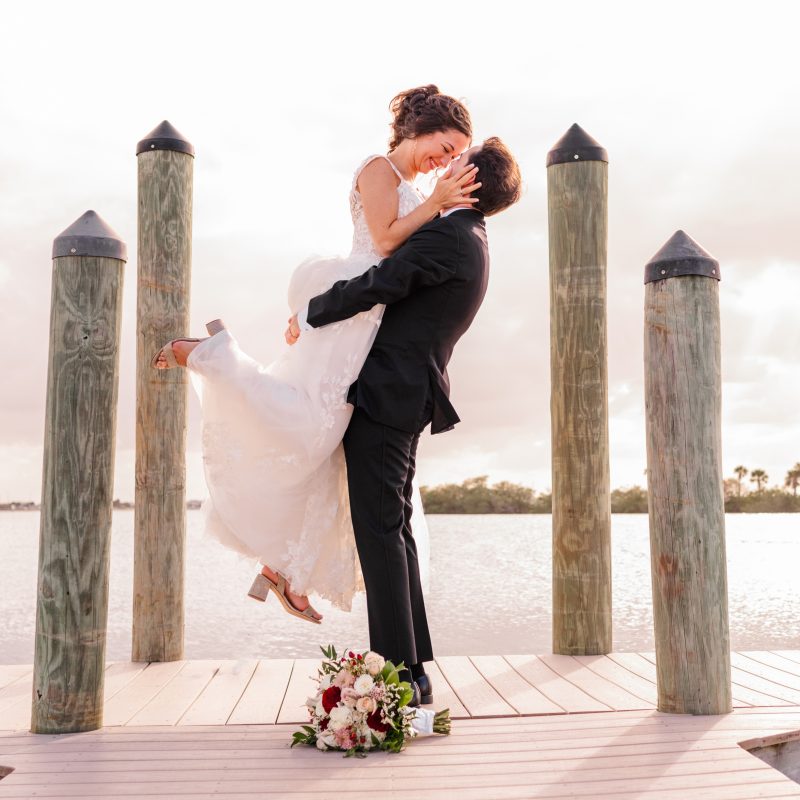
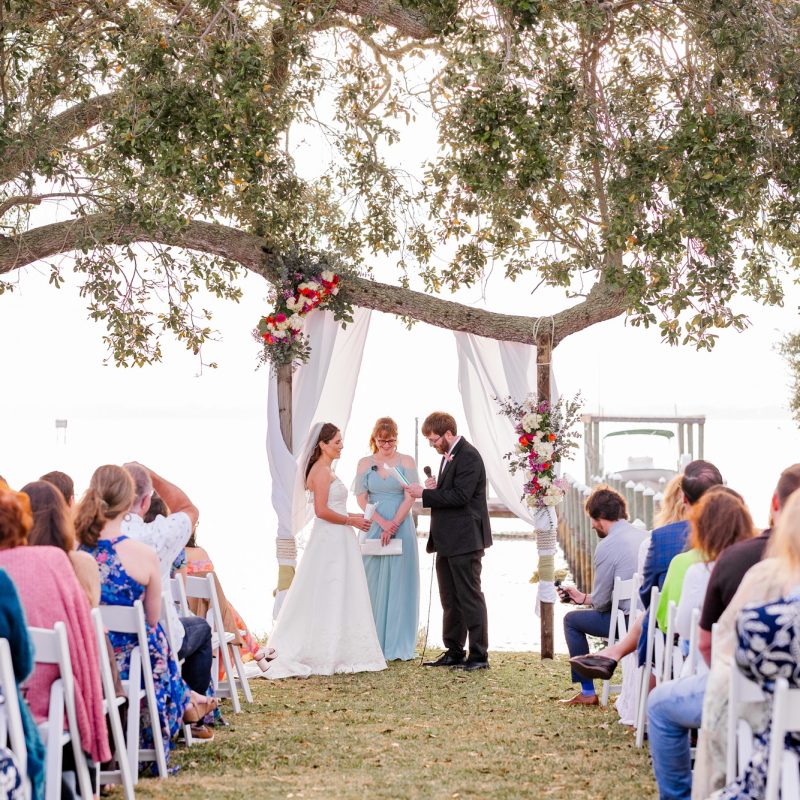
A good wedding-day timeline should help you feel more relaxed—not make you feel as if you are racing from one photograph to the next.
The goal is not to schedule every minute. It is to allow enough time for the important photographs while leaving room for real moments, unexpected delays and the simple experience of enjoying your wedding.
Here is how to create a wedding-day photography timeline that feels organized without feeling rigid.
Begin with the parts of the day that cannot move
Start with the times that are already established:
- Ceremony
- Cocktail hour
- Reception entrance
- Dinner
- Sunset
- Venue access
- Required end time
- Transportation
These become the anchors of your timeline.
Once those times are confirmed, we can work backward to determine when photography should begin and how much time is available for getting ready, portraits and travel.
You do not need to choose your photography start time before the rest of the day takes shape. Begin with the major events and build around them.
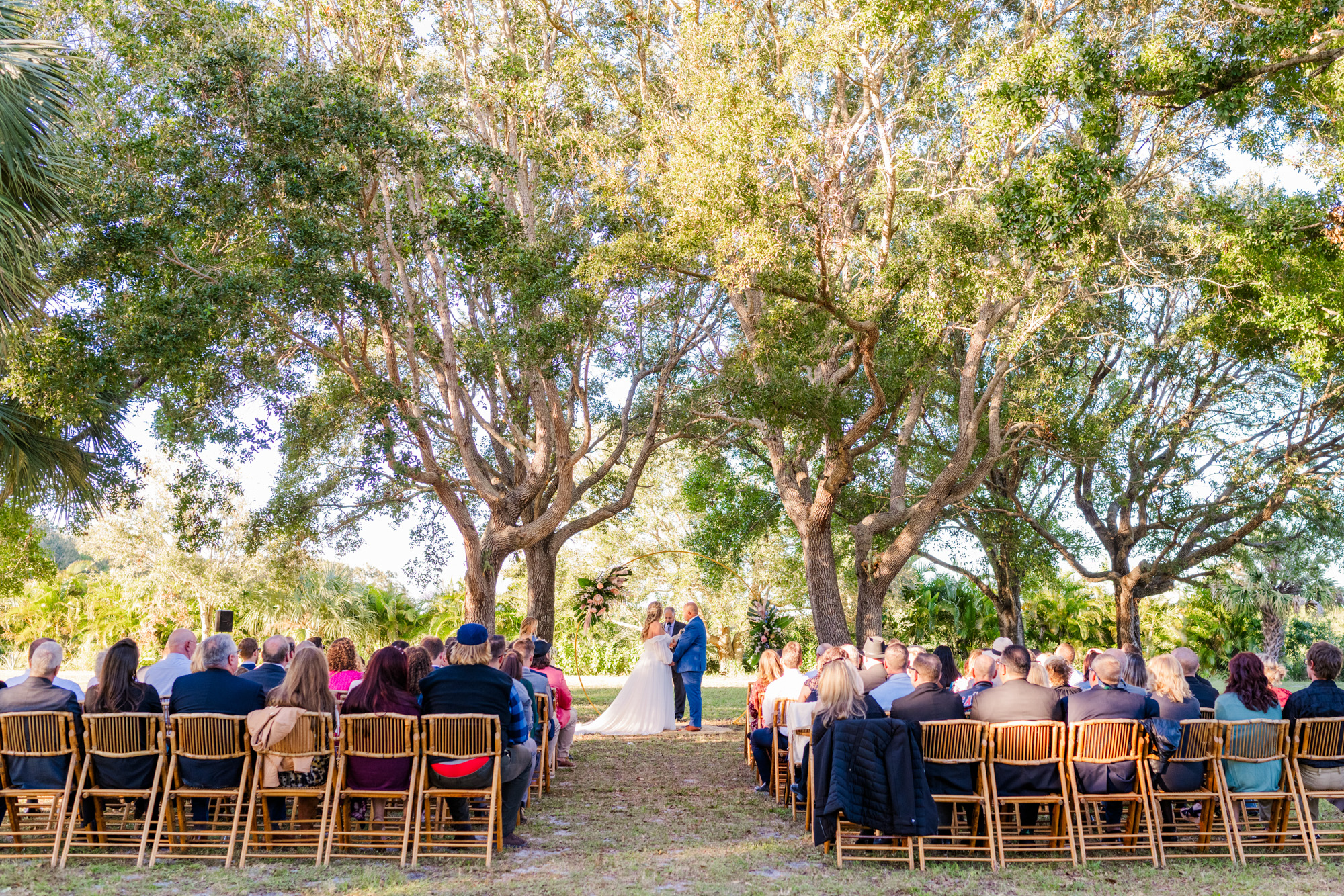
Create the timeline with your planner and photographer
A wedding planner or coordinator can make an HUGE difference in how calmly the day unfolds.
Your planner looks at the complete event: vendor arrivals, transportation, ceremony setup, catering, reception events and all the small logistical details that need to happen behind the scenes.
Your photographer brings a different perspective. We can advise on sunset, travel time, portrait locations, family photographs and how long each part of the photography process realistically takes.
The strongest wedding timelines are created collaboratively. Your planner builds the master schedule, your photographer helps shape the photography portions and the final timeline is shared with every important vendor.
If you are not hiring a full-service planner, consider hiring at least a month-of or day-of coordinator. That person can keep the day moving, communicate with vendors and solve problems without asking you or a family member to step away from the celebration.
A venue coordinator may be a wonderful resource, but their responsibilities are often focused primarily on the venue, catering and property. Ask exactly what they will manage so you understand whether you also need someone coordinating the entire wedding day.
Your photographer should help with photography timing, but they should not have to act as the wedding coordinator while also trying to document the day. Having a dedicated planner or coordinator allows everyone to focus on their actual role—and allows you to remain present instead of answering logistical questions.
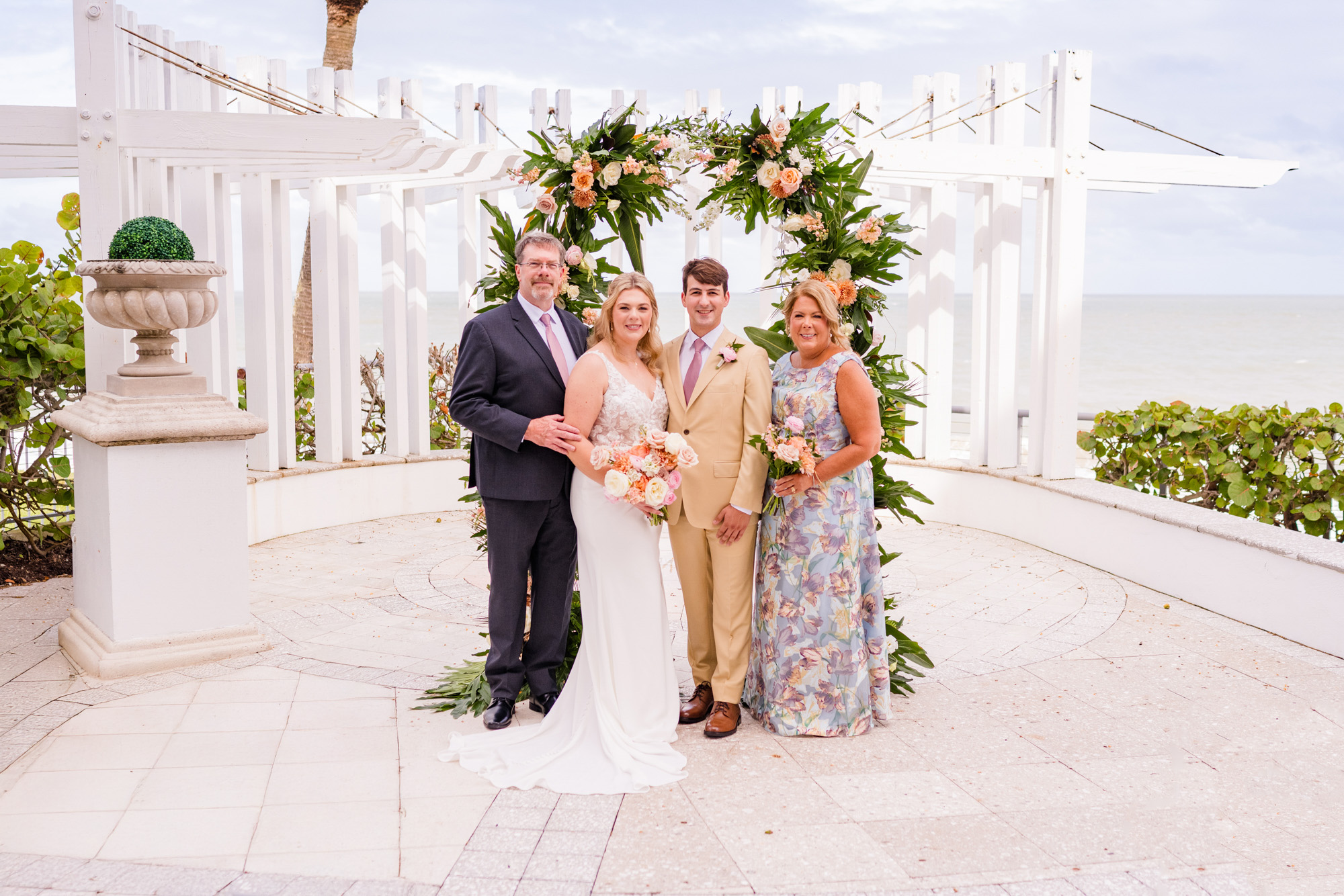
Check the sunset time for your wedding date
Sunset can make a significant difference in a Florida wedding timeline.
If your ceremony ends close to sunset, there may be very little natural light remaining for family photographs, wedding-party portraits and couple portraits.
That does not mean your ceremony time is wrong. It simply means we need to plan carefully.
Depending on your date and venue, we may recommend:
- Having a first look
- Completing wedding-party photographs before the ceremony
- Completing some family photographs early
- Moving couple portraits to a different part of the day
- Stepping outside briefly during the reception
- Using lighting for nighttime portraits
The sun sets much earlier during the winter than it does in the summer. Never assume that a timeline from someone else’s wedding will work for yours, even if the venue is the same.
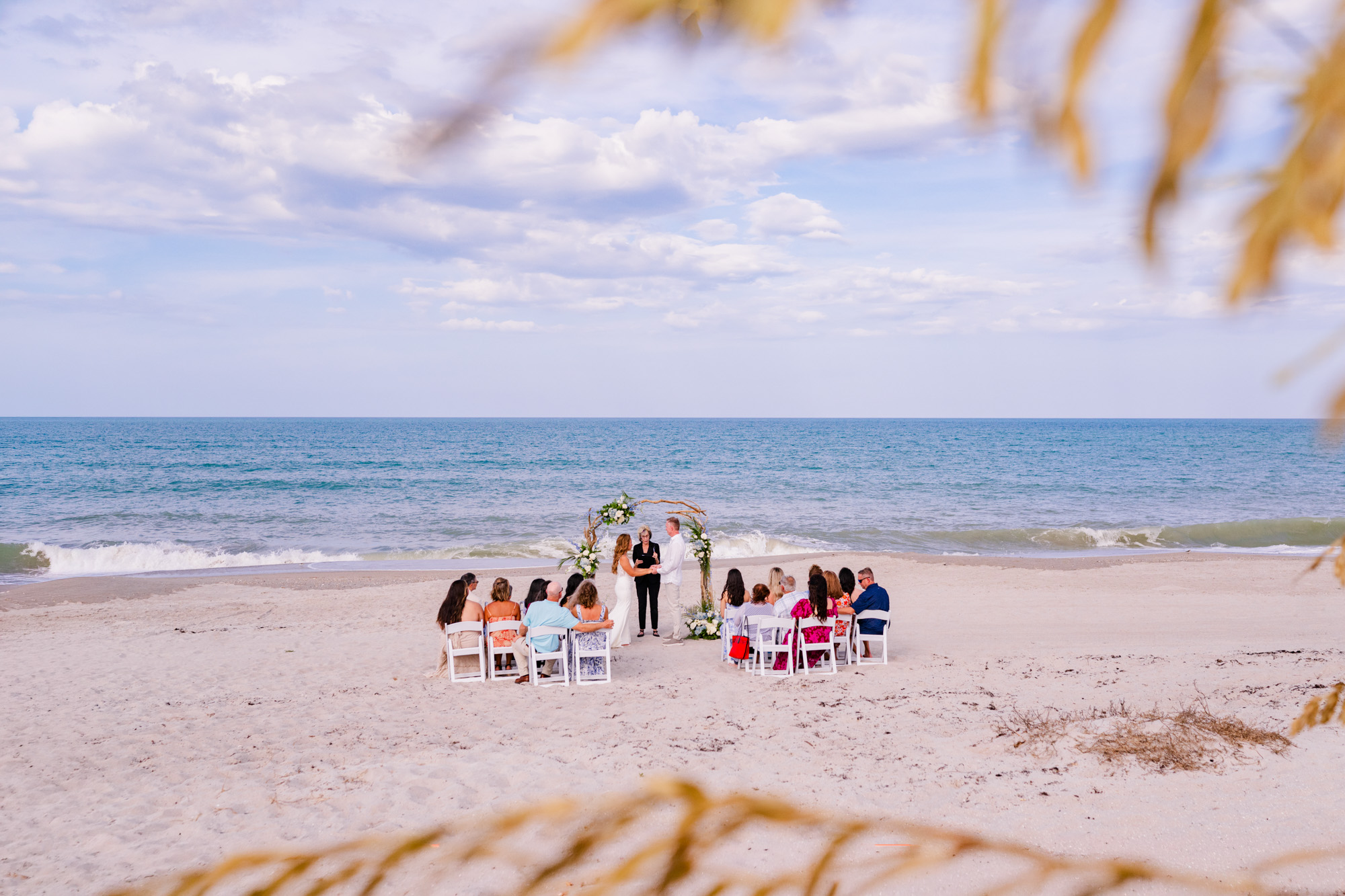
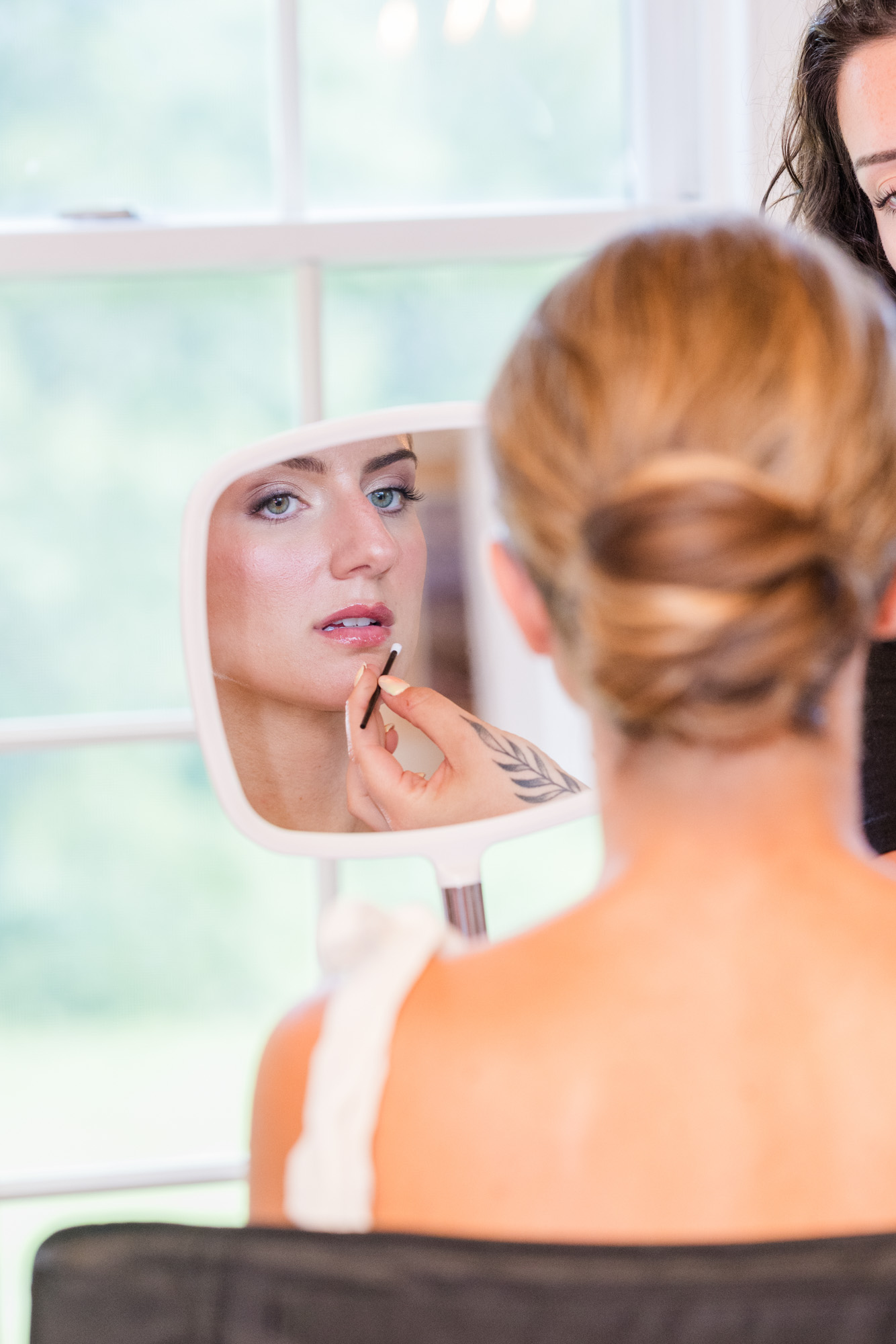
You do not need hours of getting-ready photography
Your photographer does not need to arrive when hair and makeup begins.
The final 60–90 minutes of preparation usually provide enough time to photograph:
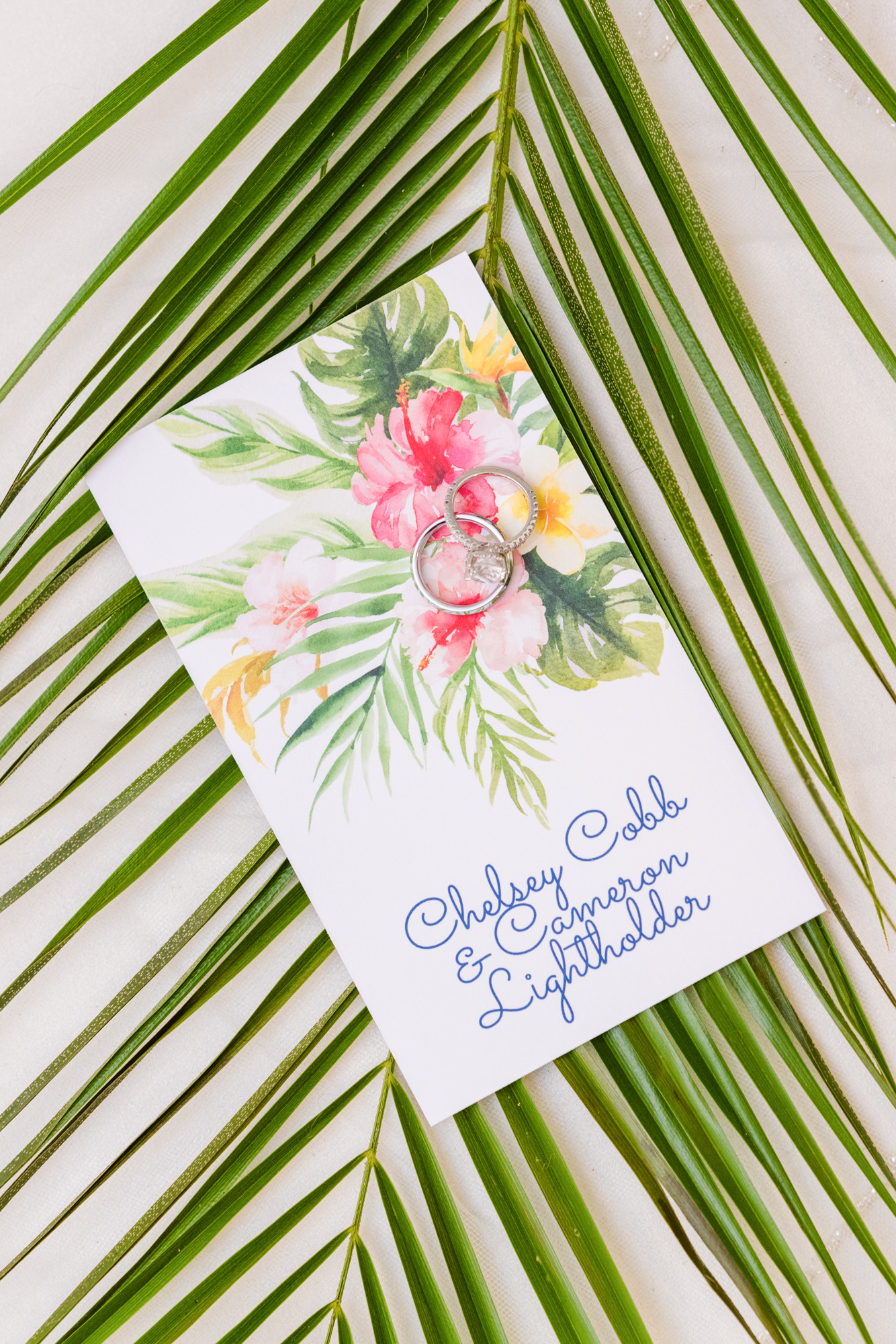
- Invitations and meaningful details
- Wedding attire
- Final hair and makeup touches
- Candid moments with friends and family
- Getting dressed
- Reactions from important people
- Individual portraits
- A letter or gift exchange
Ask your hair and makeup team when everyone should be completely finished—not merely when the services are scheduled to end.
Ideally, hair and makeup should be complete before getting-dressed photographs begin. Building in extra time here prevents one late appointment from delaying everything that follows.
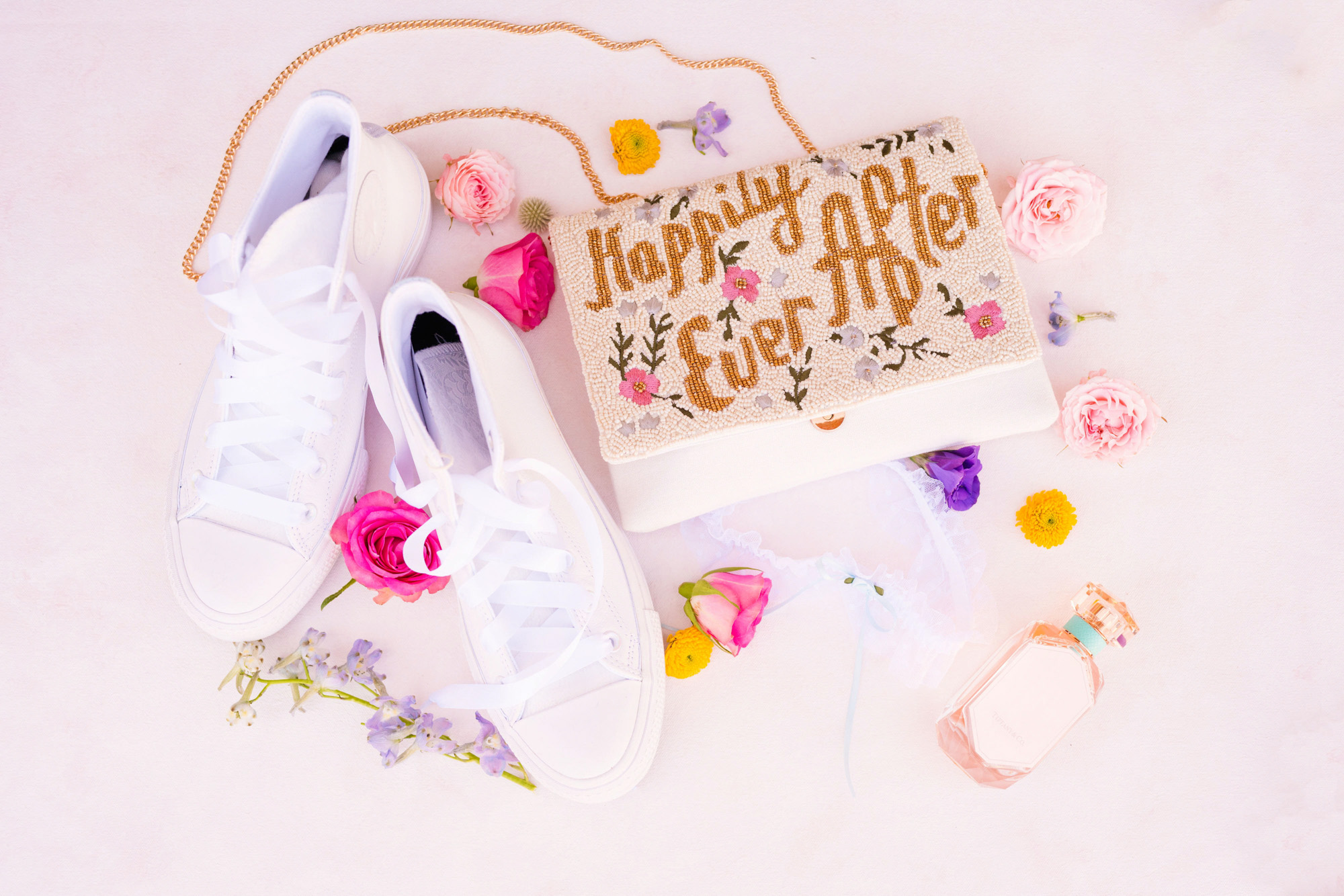
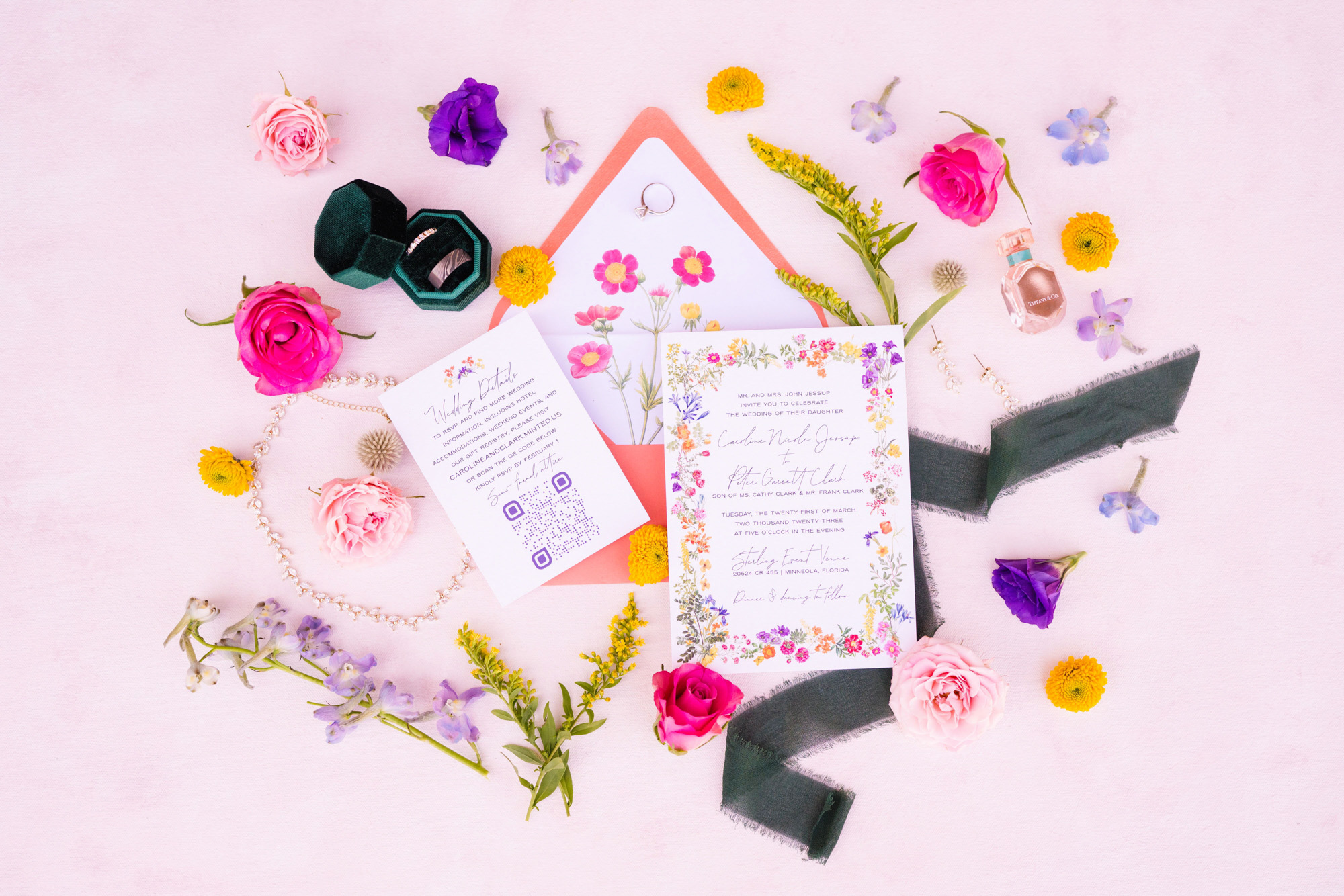
Keep meaningful details together
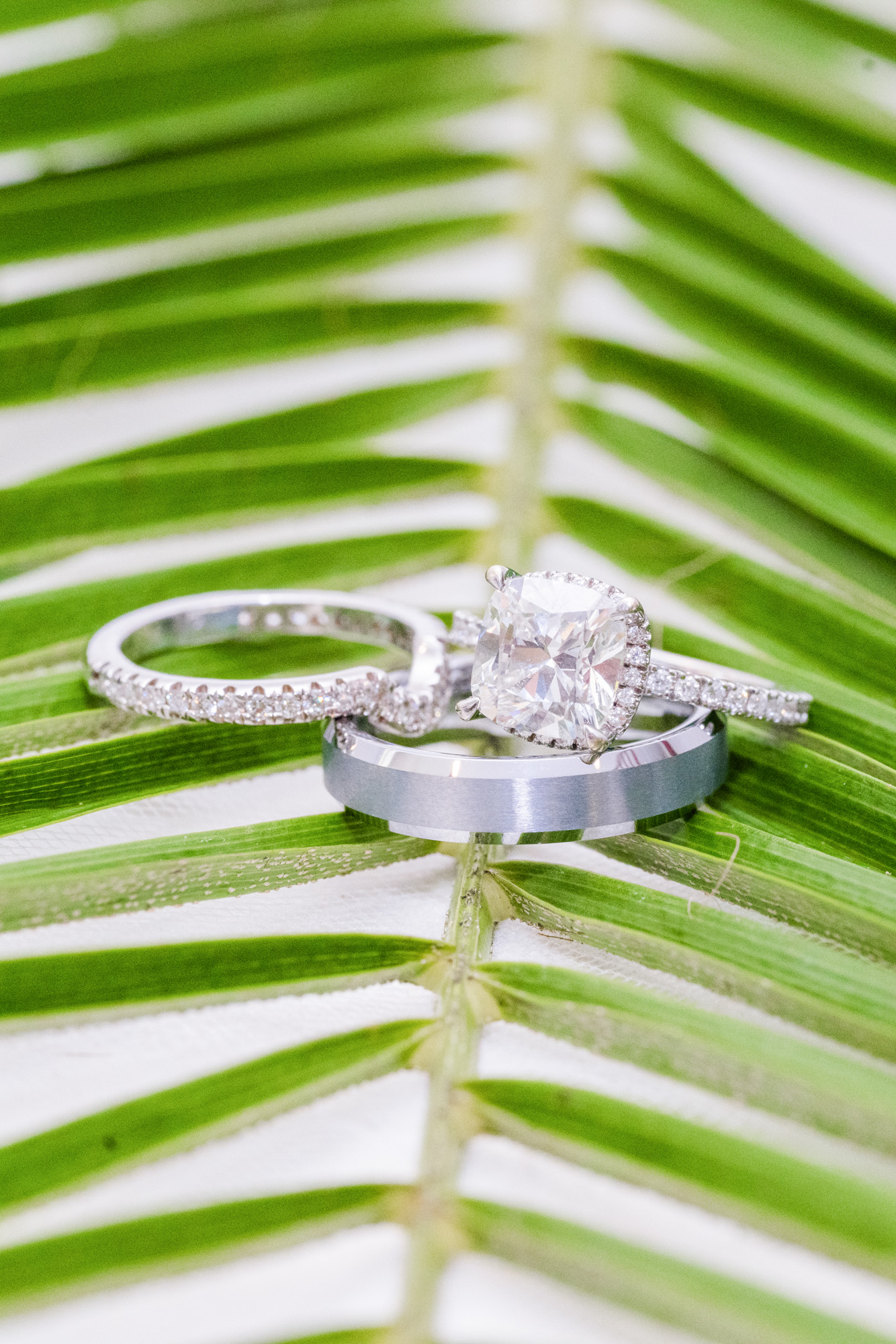
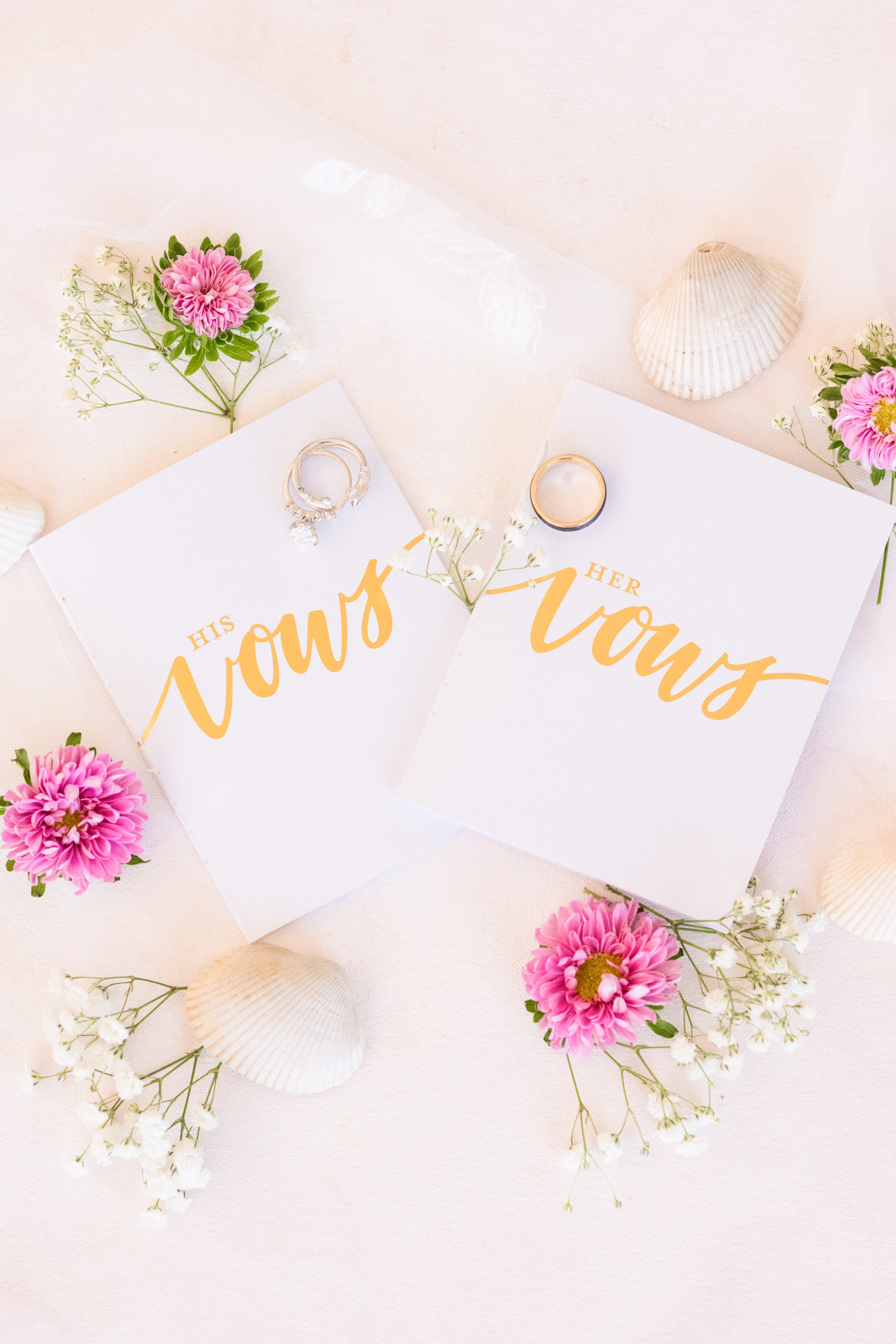
If you would like your rings, invitations, jewelry, perfume, vow books or other small details photographed, gather them before the wedding day.
Place everything in one box or bag and let someone in the wedding party know where it is.
This prevents the photographer from spending valuable time searching different rooms for a missing ring, invitation envelope or pair of shoes.
Details are meaningful, but they should not take time away from the people and moments that matter more. You also don’t have to have a ton of details. Just what matters to you.

Decide whether a first look feels right for you
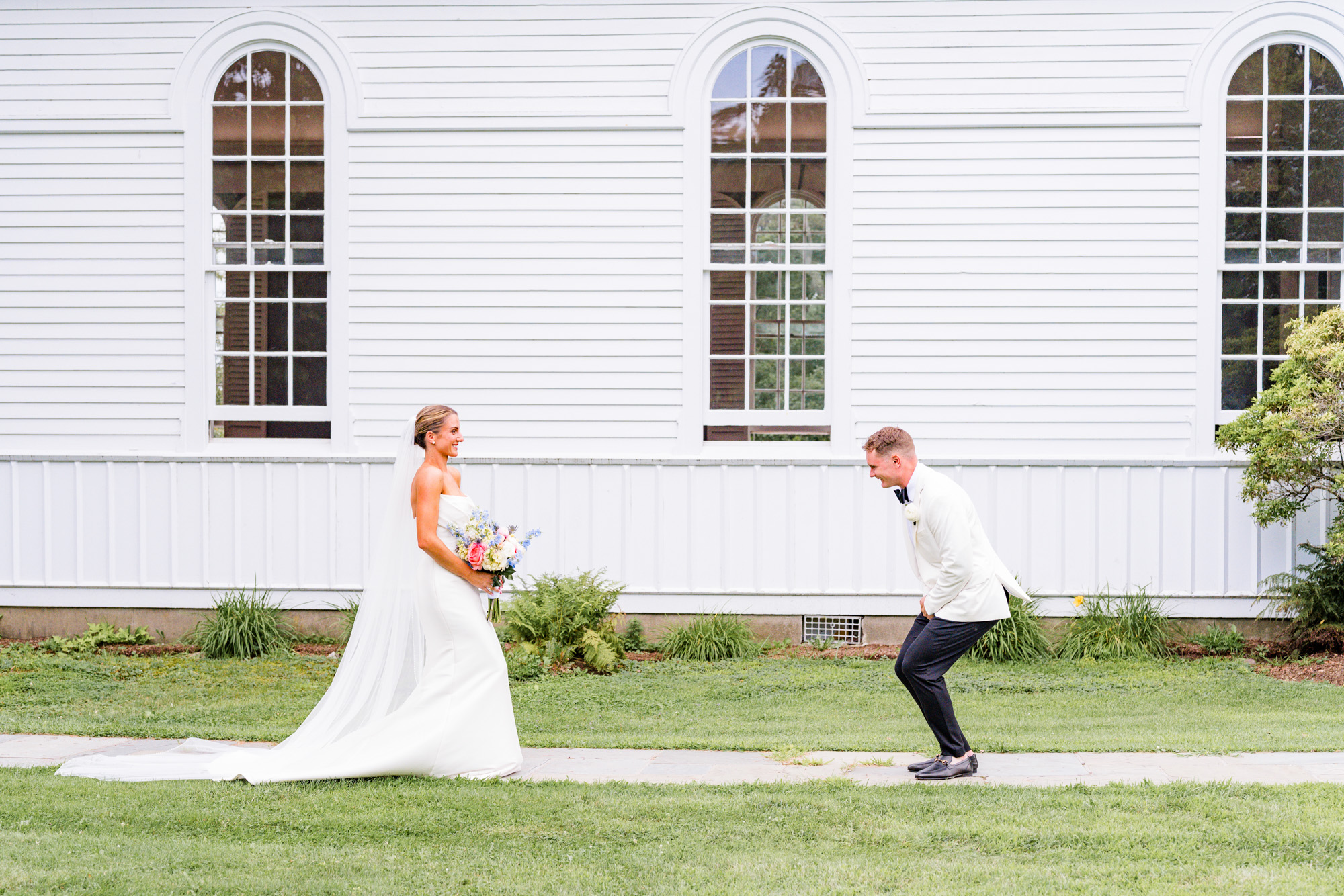
A first look is a private meeting before the ceremony.
It can be helpful because it allows us to complete some photographs earlier, including:
- Couple portraits
- Wedding-party photographs
- Immediate-family photographs
- Individual portraits
This can create more time to enjoy cocktail hour and reduce the number of photographs needed after the ceremony.
A first look can also give you a few quiet minutes together before the day becomes busy.
However, it is not required.
If seeing one another for the first time during the ceremony is important to you, keep that experience. We can create a relaxed timeline without a first look as long as we reserve enough time after the ceremony for portraits.
The right choice is the one that feels meaningful to the two of you.
Allow realistic time for portraits
Portraits generally need more time than couples expect, especially when several people are involved.
A helpful starting point is:
- Couple portraits: 30–45 minutes
- Wedding party: 20–30 minutes
- Immediate family: 20–30 minutes
- First look: 10–15 minutes
- Individual portraits: 10 minutes for each partner
These blocks do not need to happen all at once and can vary based upon how many people are involved.
We might take a few couple portraits after the first look, another set after the ceremony and ten minutes of sunset photographs later in the evening. Breaking portraits into shorter sections creates variety without making you disappear from your guests for an hour.
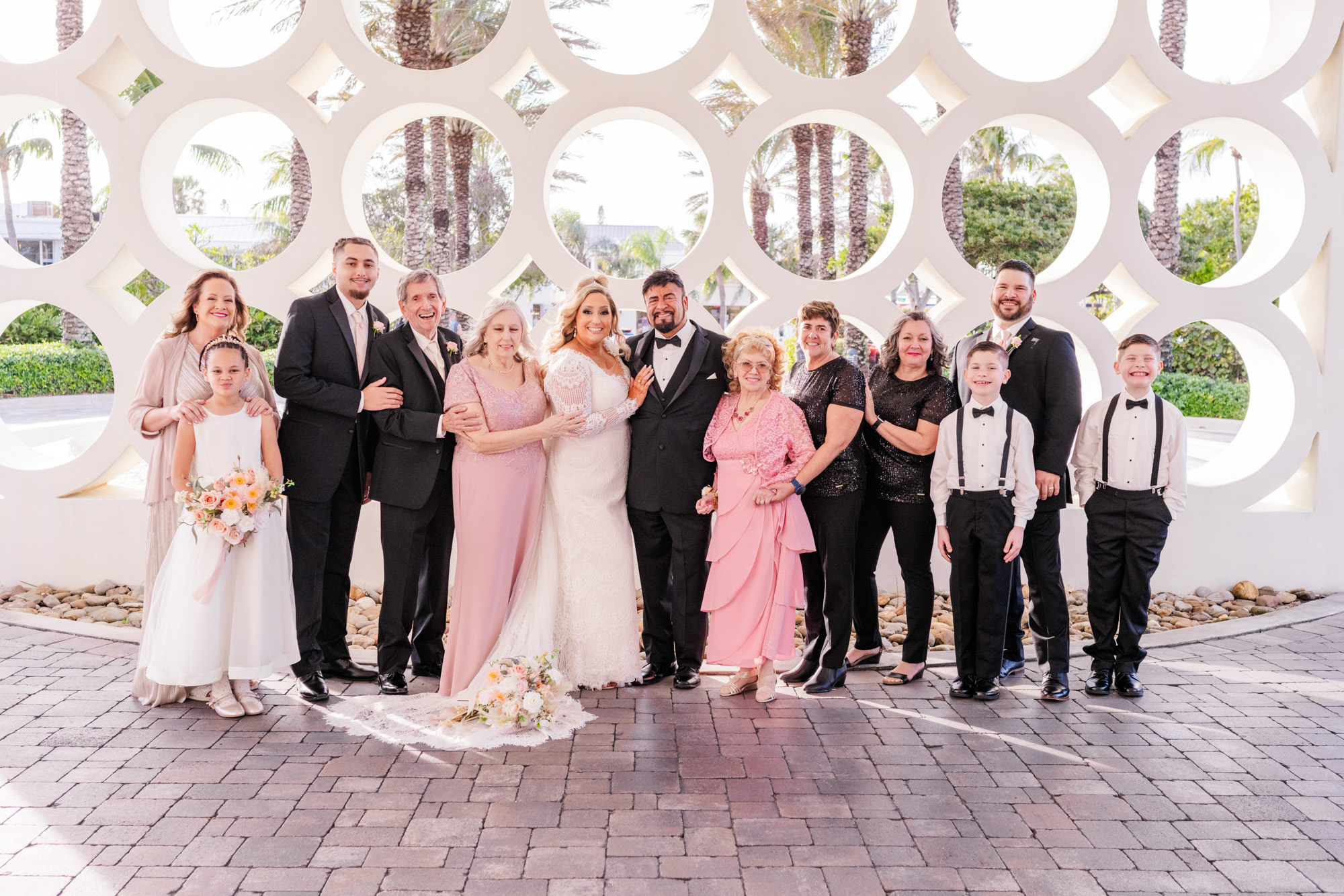
Make a focused family photograph list
Family photographs move much faster when we know exactly which combinations you want.
Instead of writing “family photographs,” create a list such as:
- Couple with Partner One’s parents
- Couple with Partner One’s parents and siblings
- Couple with both immediate families
- Couple with Partner Two’s parents
- Couple with Partner Two’s parents and siblings
- Couple with grandparents
Try to keep the formal list focused on immediate family, grandparents and especially important relationships.
We can still photograph extended family and friends during the reception. Attempting every possible combination immediately after the ceremony can become exhausting and take time away from the celebration.
Choose one person from each side of the family who knows everyone and can help gather people. Your photographer may be organized, but we do not always know which guest is Aunt Susan.

Include travel and parking time
Travel between locations is part of the wedding timeline.
If you are getting ready at a hotel, marrying at a church and celebrating somewhere else, account for:
- Loading and unloading
- Parking
- Walking between spaces
- Traffic
- Wedding-party transportation
- Elevators
- Venue access
- Florida weather
A location that appears ten minutes away on a map may require significantly more time on a Saturday afternoon or during a storm.
Add a little more travel time than you believe you will need. Arriving early feels far better than watching the clock while sitting in traffic.
Leave breathing room before the ceremony
Whenever possible, finish planned portraits approximately 20–30 minutes before the ceremony.
This gives you time to:
- Touch up hair and makeup
- Drink water
- Use the restroom
- Cool down after outdoor portraits
- Hide from arriving guests
- Take a quiet breath
- Handle a small delay
Without that breathing room, a late flower delivery or missing family member can immediately affect the ceremony.
A relaxed timeline protects a few minutes in which nothing is expected of you.
Plan family photographs carefully after the ceremony
If you are not completing family photographs before the ceremony, ask immediate family members to remain nearby afterward.
Have your officiant or planner announce that those needed for photographs should stay in place.
One missing person can hold up the entire list while everyone searches the cocktail hour.
Completing family photographs immediately after the ceremony usually works best because everyone is already gathered and dressed. Once the list is finished, family members can join the celebration.
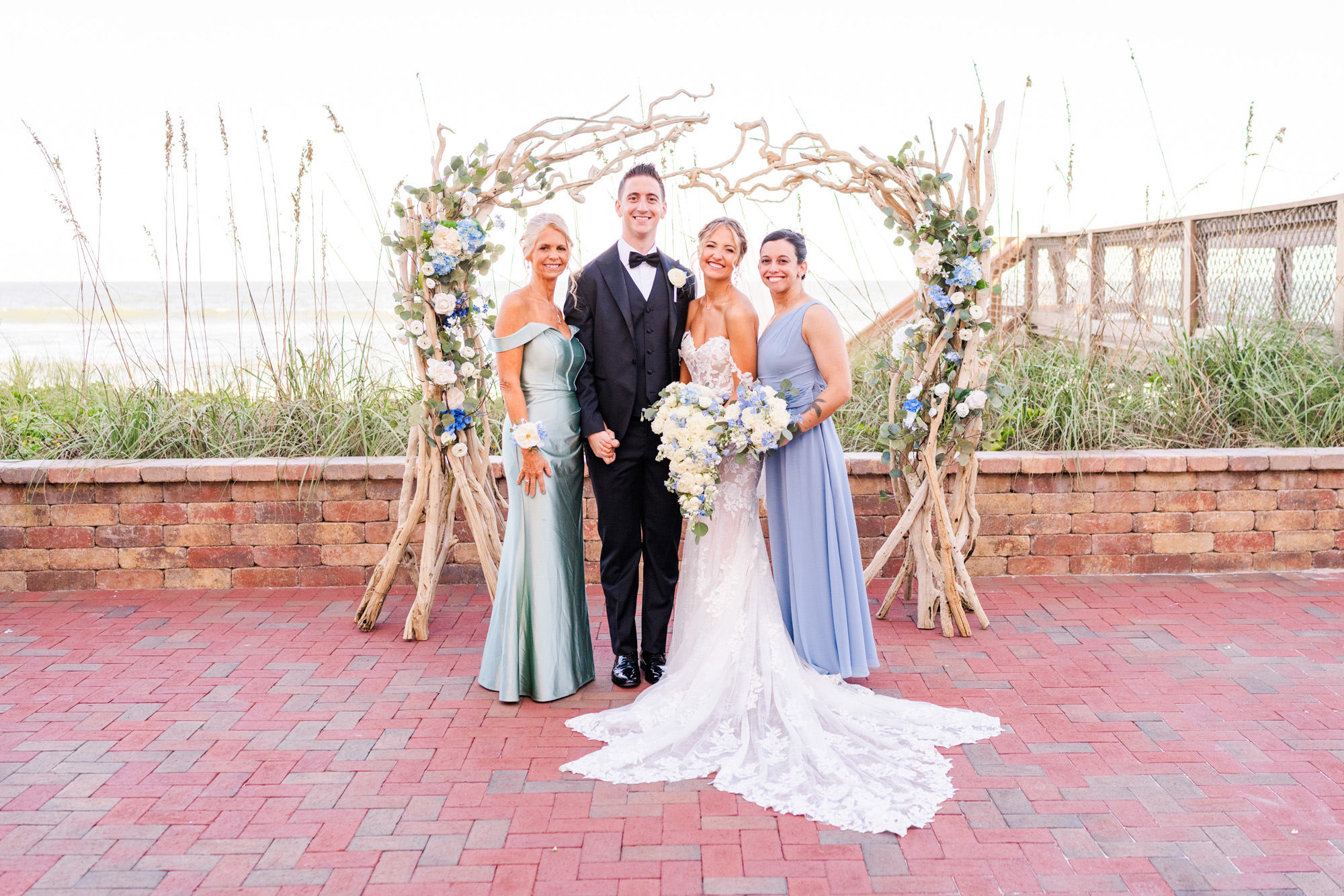
Give yourselves time to enjoy cocktail hour
You are allowed to attend your own cocktail hour.
A first look may allow us to finish most portraits before the ceremony so you can spend more time with guests afterward.
If you are not having a first look, you may still be able to enjoy part of cocktail hour after family, wedding-party and couple portraits are complete.
The goal is not to keep you away for the entire hour. With an organized plan, we can create the photographs you want and return you to the people you invited.
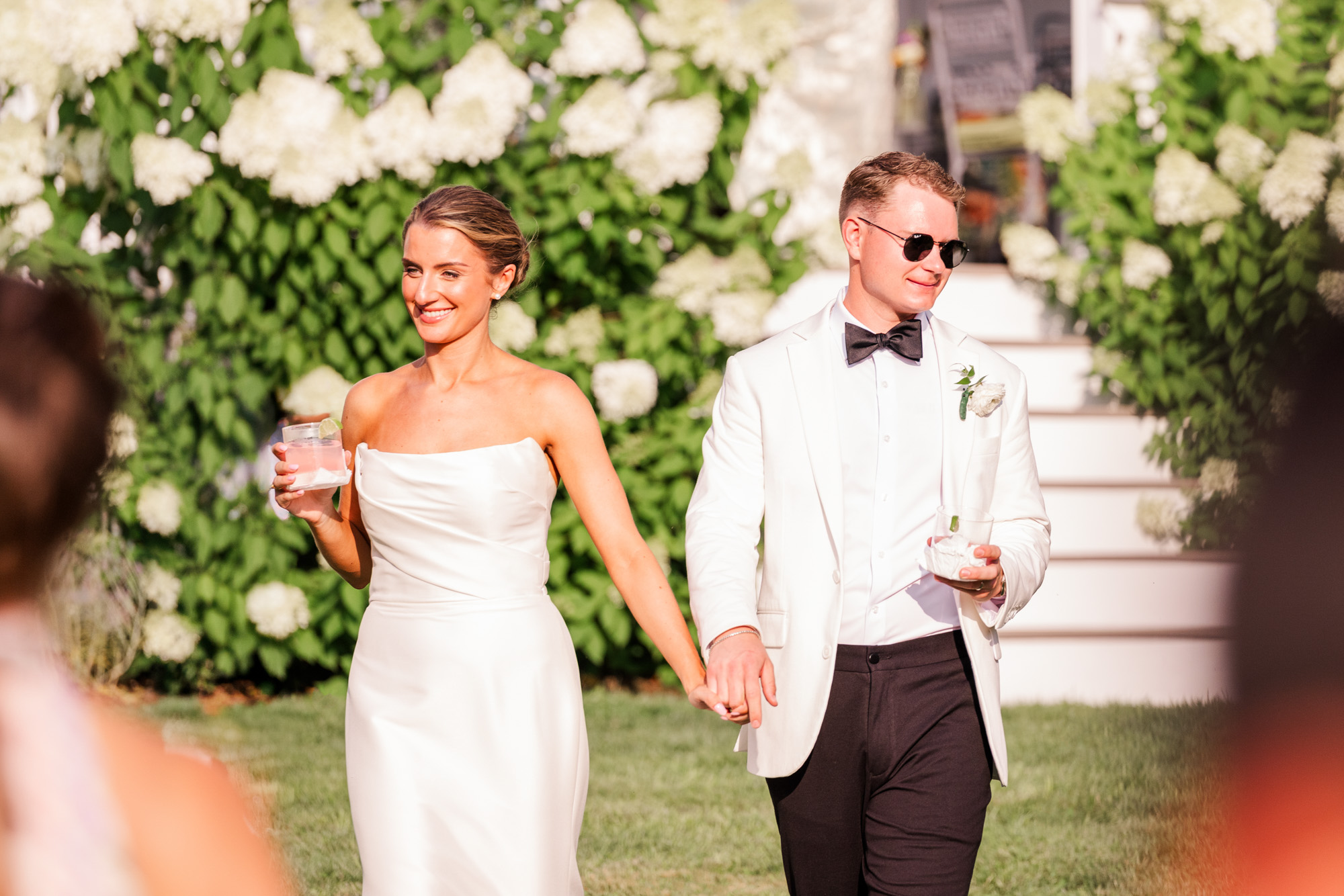
Coordinate reception events with your photographer
Before the wedding, confirm the approximate timing of:
- Introductions
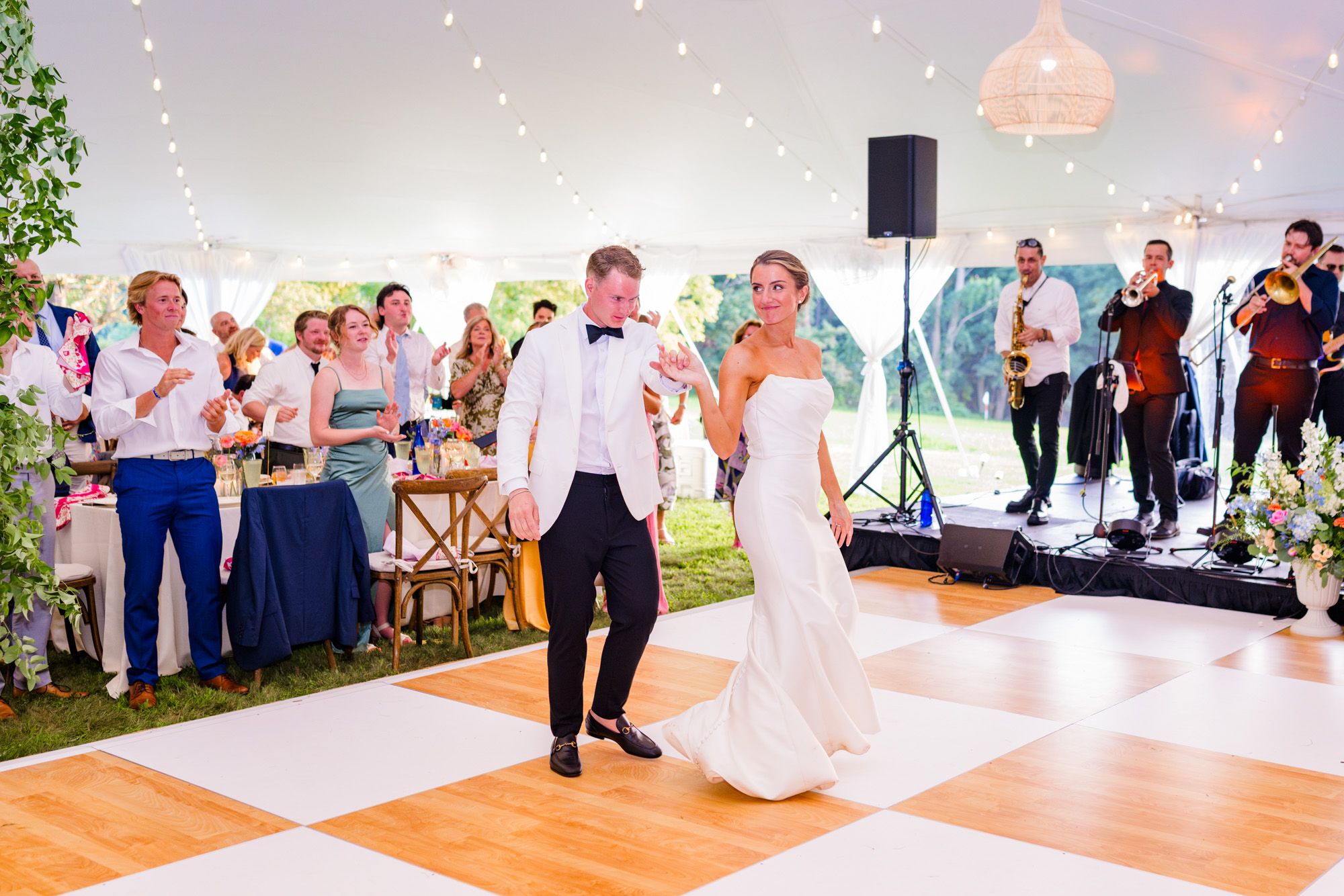
- First dances
- Toasts
- Dinner
- Parent dances
- Cake cutting
- Sunset photographs
- Special performances
- Private last dance
- Formal exit
Reception timelines often change once the celebration begins, and that is okay.
Your photographer, planner, caterer and DJ should communicate before moving an important event. This ensures that everyone is ready and prevents the cake cutting from happening while the photographer is in another room.
Serve the photographer’s meal at the right time
Photographers usually eat while the couple is eating.
Nobody wants photographs of themselves chewing, and serving the photography team at the same time allows us to finish before the next event begins.
If photographers are served after all the guests, they may still be eating when toasts or dances begin.
Ask your caterer to serve the photographer and other key vendors immediately after the couple. This small detail can prevent important moments from being missed.
Build buffer time into the day
Wedding days rarely run precisely on schedule.
Hair and makeup may take longer. A button may break. Traffic may slow down. Someone may temporarily disappear when it is time for family photographs.
The solution is not to panic or schedule every moment more tightly. It is to include small buffers throughout the day.
Add:
- 15–20 extra minutes after hair and makeup
- Extra travel time
- Breathing room before the ceremony
- Flexibility during cocktail hour
- A few open minutes before reception events
If everything runs on time, those minutes become time to relax. If something runs late, the entire schedule does not collapse.
Have a Florida weather plan
Florida weather can change quickly, particularly during the warmer months.
A thoughtful timeline should include:
- A covered ceremony or portrait option
- Flexibility around brief afternoon storms
- Towels or umbrellas when appropriate
- A plan for wind
- An indoor location with usable light
- A photographer comfortable working in changing conditions
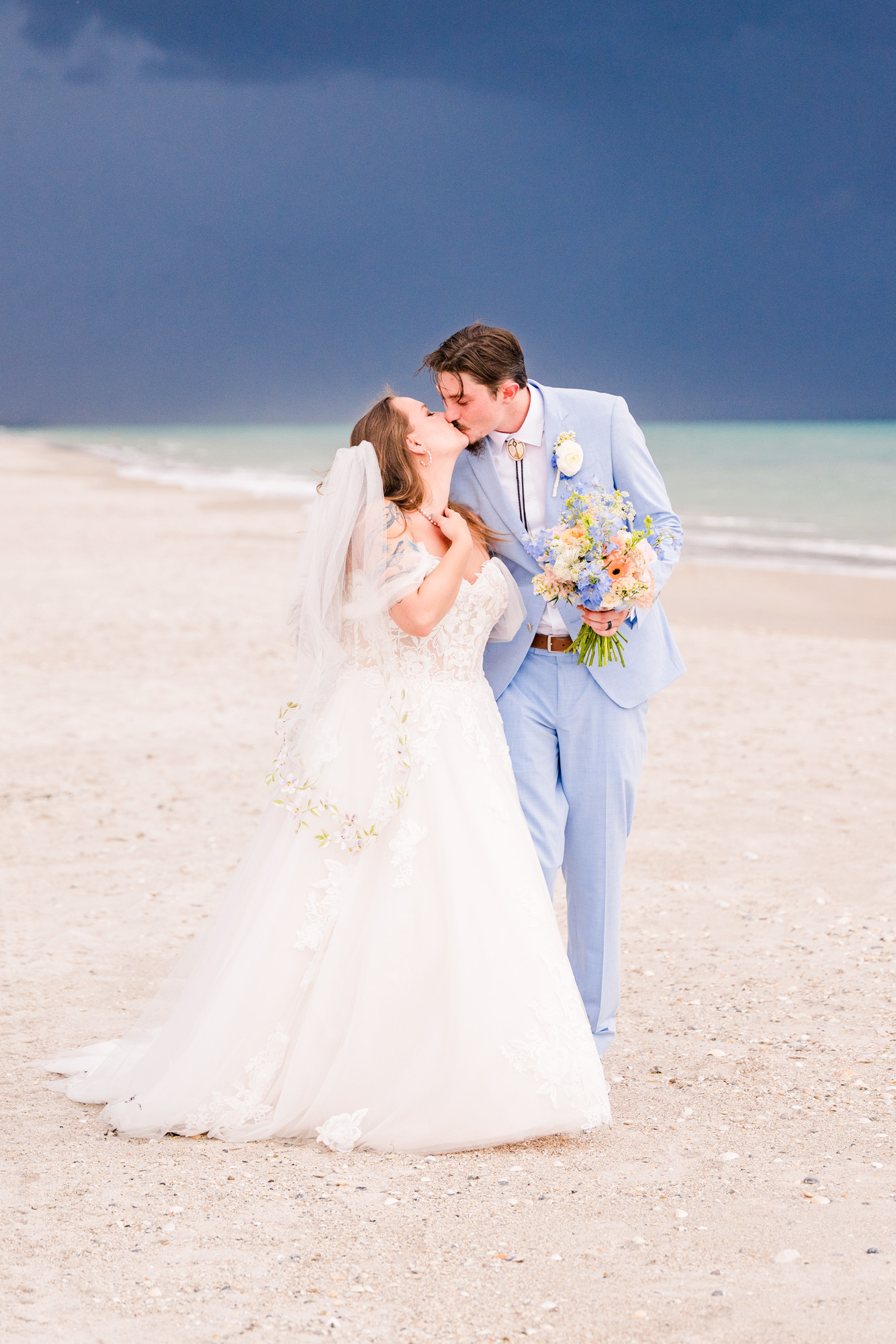
A storm does not automatically ruin the photography.
Sometimes we adjust the order of events, photograph indoors temporarily or wait twenty minutes for the weather to move through. The light immediately following a Florida storm can be extraordinary.
The important thing is to have options before the weather becomes stressful.
Sample eight-hour timeline with a first look
This example assumes most events are at one venue and sunset is around 7:30 p.m.
1:30 p.m. — Photography begins; details and final preparation
2:30 p.m. — Getting dressed and individual portraits
3:00 p.m. — First look
3:15 p.m. — Couple portraits
3:45 p.m. — Wedding-party photographs
4:15 p.m. — Immediate-family photographs
4:40 p.m. — Touch-ups and quiet time
5:00 p.m. — Ceremony
5:30 p.m. — Remaining family photographs
5:45 p.m. — Cocktail hour and reception details
6:30 p.m. — Reception entrance and first dances
7:00 p.m. — Dinner
7:30 p.m. — Brief sunset portraits
7:45 p.m. — Toasts, cake cutting and dancing
9:30 p.m. — Photography ends
Sample eight-hour timeline without a first look
This example also assumes most events are at one location.
2:00 p.m. — Photography begins; details and final preparation
3:00 p.m. — Getting dressed and individual portraits
3:30 p.m. — Separate wedding-party photographs
4:00 p.m. — Touch-ups and quiet time
4:30 p.m. — Ceremony
5:00 p.m. — Immediate-family photographs
5:25 p.m. — Wedding-party photographs
5:50 p.m. — Couple portraits
6:30 p.m. — Reception entrance and first dances
7:00 p.m. — Dinner
7:30 p.m. — Additional sunset portraits if needed
7:45 p.m. — Toasts, cake cutting and dancing
10:00 p.m. — Photography ends
These are examples, not templates every couple should copy. Your ceremony time, sunset, locations, traditions and priorities will determine your actual schedule.
The best timeline leaves room for the real day
Your wedding should not feel like a list of photographs to complete.
A thoughtful timeline gives us enough time for the portraits that matter while protecting space for real reactions, conversations, laughter and unexpected moments.
Those unplanned moments are often the photographs couples treasure most.
Liz Cowie Photography photographs weddings throughout Melbourne, Melbourne Beach, Vero Beach, Orlando and across Florida, with travel available for select celebrations.
Every couple receives guidance in creating a photography timeline that fits their plans, priorities and personalities—so they can stay present and enjoy the celebration.
Explore the Wedding Experience or contact me to begin planning.