One of the biggest questions couples have when choosing a wedding photography package is:
How many hours of photography do we actually need?
The most common answer is eight hours — but that doesn’t mean eight hours is right for every wedding.
The right amount of coverage depends on your timeline, how many locations are involved, whether you’re doing a first look, how much of the reception you want photographed, and which parts of the day matter most to you.
The goal isn’t to book the most hours possible.
It’s to make sure the important parts of your wedding day can be photographed without everything feeling rushed.
Start with the moments you want photographed
Before choosing a number of hours, think about the story you want your wedding gallery to tell.
Do you want photographs of getting ready?
Do you want both sides of the wedding party photographed before the ceremony?
Are you planning a first look?
Do you want family portraits and wedding-party photographs?
Will your ceremony and reception be in different locations?
Do you want sunset portraits?
And how much of the reception matters to you — introductions and first dances, or do you want plenty of dance-floor photographs too?
Once we know those things, it becomes much easier to work backward and figure out how much photography coverage actually makes sense.
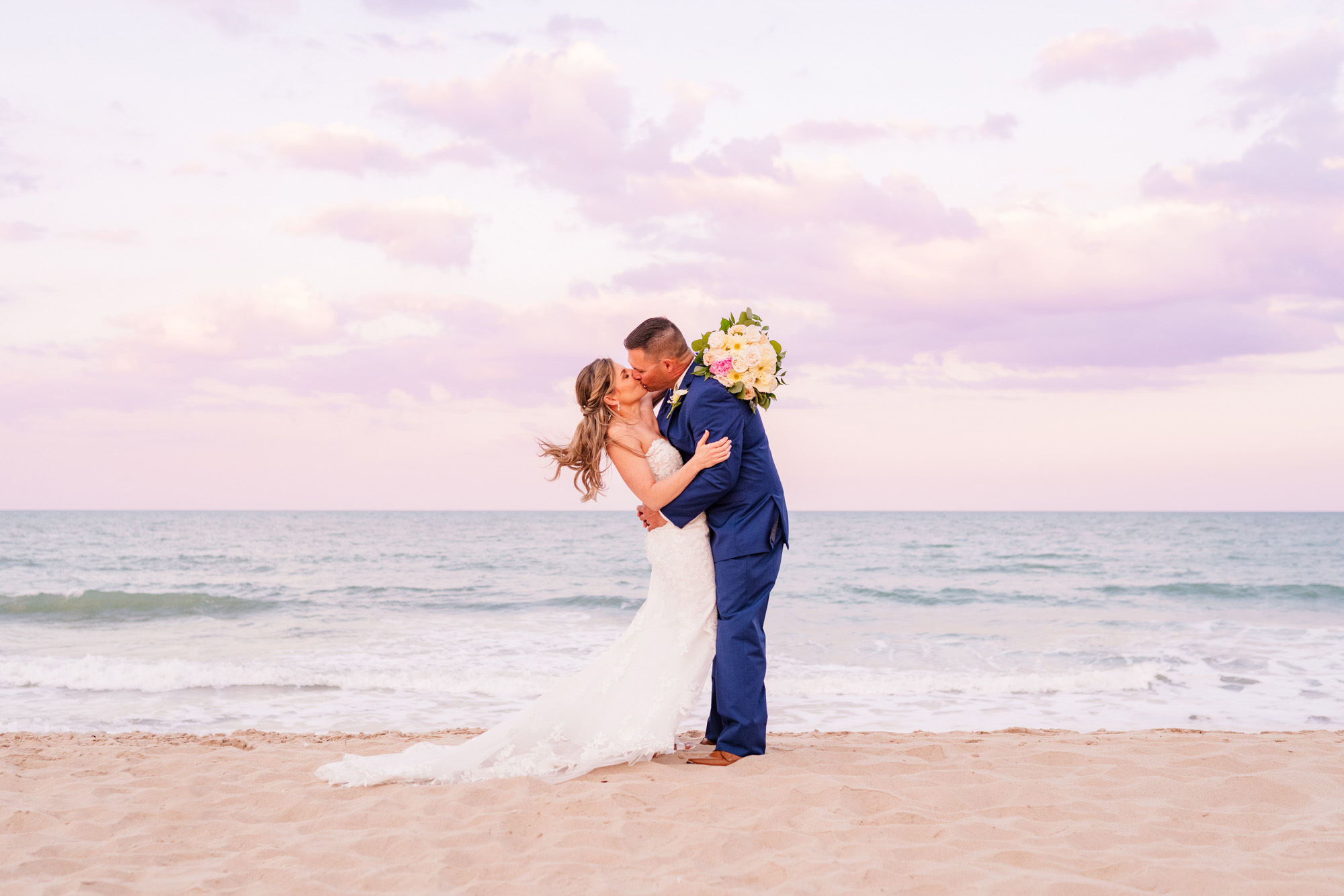
What does four hours of wedding photography cover?
Four hours can work really well for elopements, micro weddings and very small celebrations.
With four hours, we usually need to be intentional about what is photographed.
A typical four-hour timeline might include:
A few getting ready finishing touches, the ceremony, family photographs, portraits of the two of you and the very beginning of the reception.
Or, for an intimate wedding, it might cover the ceremony through dinner and a little celebration afterward.
Four hours usually isn’t enough for a full traditional wedding day with extensive getting-ready coverage, multiple locations and a long reception.
But for the right wedding, it can be perfect.
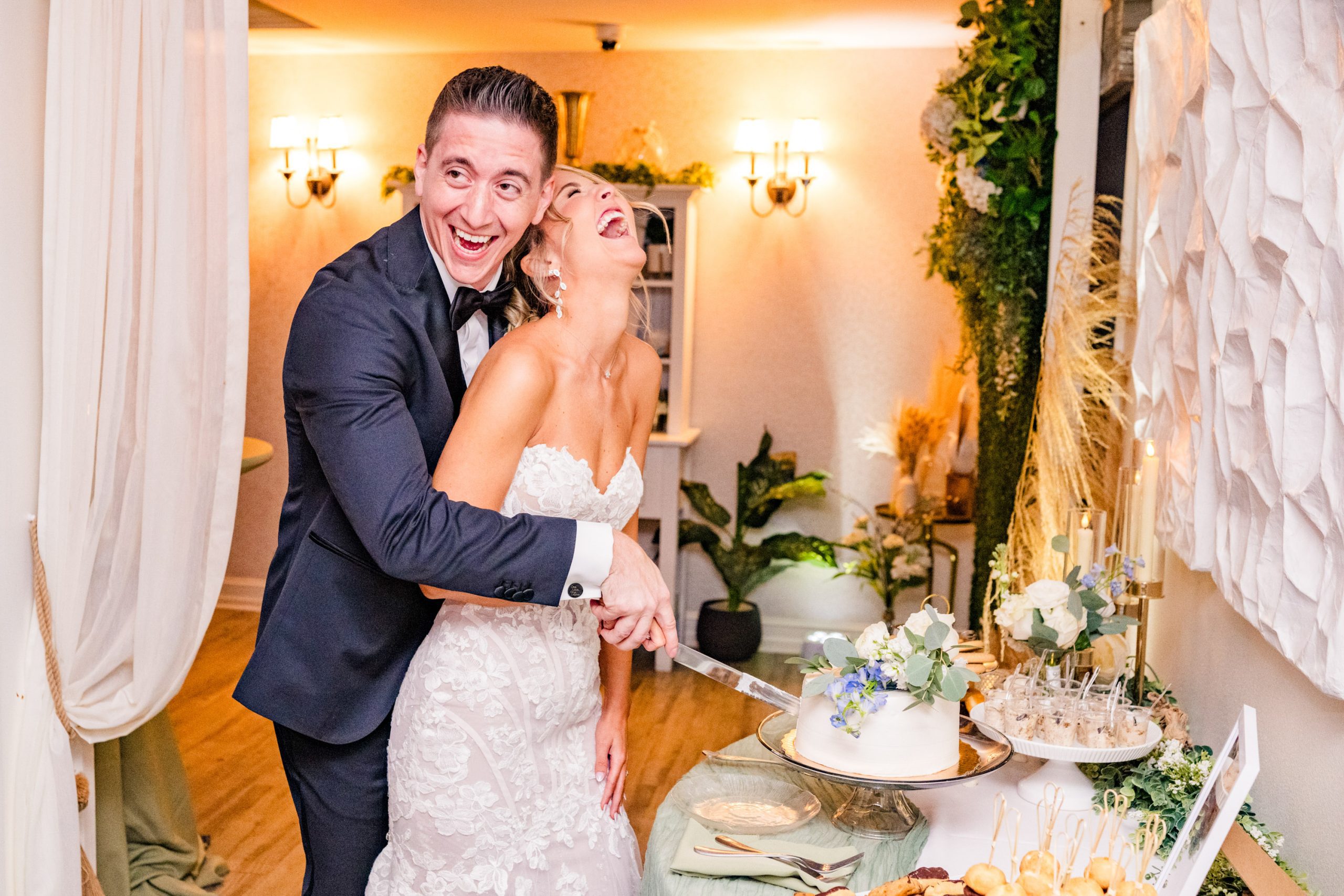
What does six hours of wedding photography cover?
Six hours works well for smaller traditional weddings or weddings where everything takes place in one location.
There is usually enough time for some getting-ready coverage, the ceremony, family and wedding-party photographs, couple portraits and the major reception events.
The tradeoff is that the timeline tends to be a little tighter.
You may have less time for getting-ready photographs or fewer hours of reception coverage.
If you have a simple timeline and don’t need photography from early preparation through late-night dancing, six hours may be plenty.
What does eight hours of wedding photography cover?
For most full wedding days, eight hours is the sweet spot.
It usually gives us enough time to photograph the day without constantly watching the clock.
An eight-hour wedding photography timeline can often include:
Getting ready, details, a first look if you’re having one, wedding-party photographs, the ceremony, family portraits, couple portraits, cocktail hour, reception introductions, first dances, dinner, speeches and some dancing.
It also gives us a little more breathing room if something runs late — which happens at weddings all the time.
That flexibility is one of the biggest reasons eight hours works so well for many couples.


When do you need ten hours of wedding photography?
Ten hours is especially helpful for weddings with multiple locations, longer celebrations or a planned exit.
You may want ten hours if:
You’re getting ready in two different places.
There is significant travel between getting ready, the ceremony and reception.
You want a lot of preparation coverage.
You have a larger wedding party or family-photo list.
Your ceremony starts earlier in the day.
You’re planning a late-night sparkler or grand exit.
Or you simply want the story of the day documented from beginning to end.
Ten hours can also make a wedding day feel less rushed because we have more flexibility when something inevitably takes longer than expected.
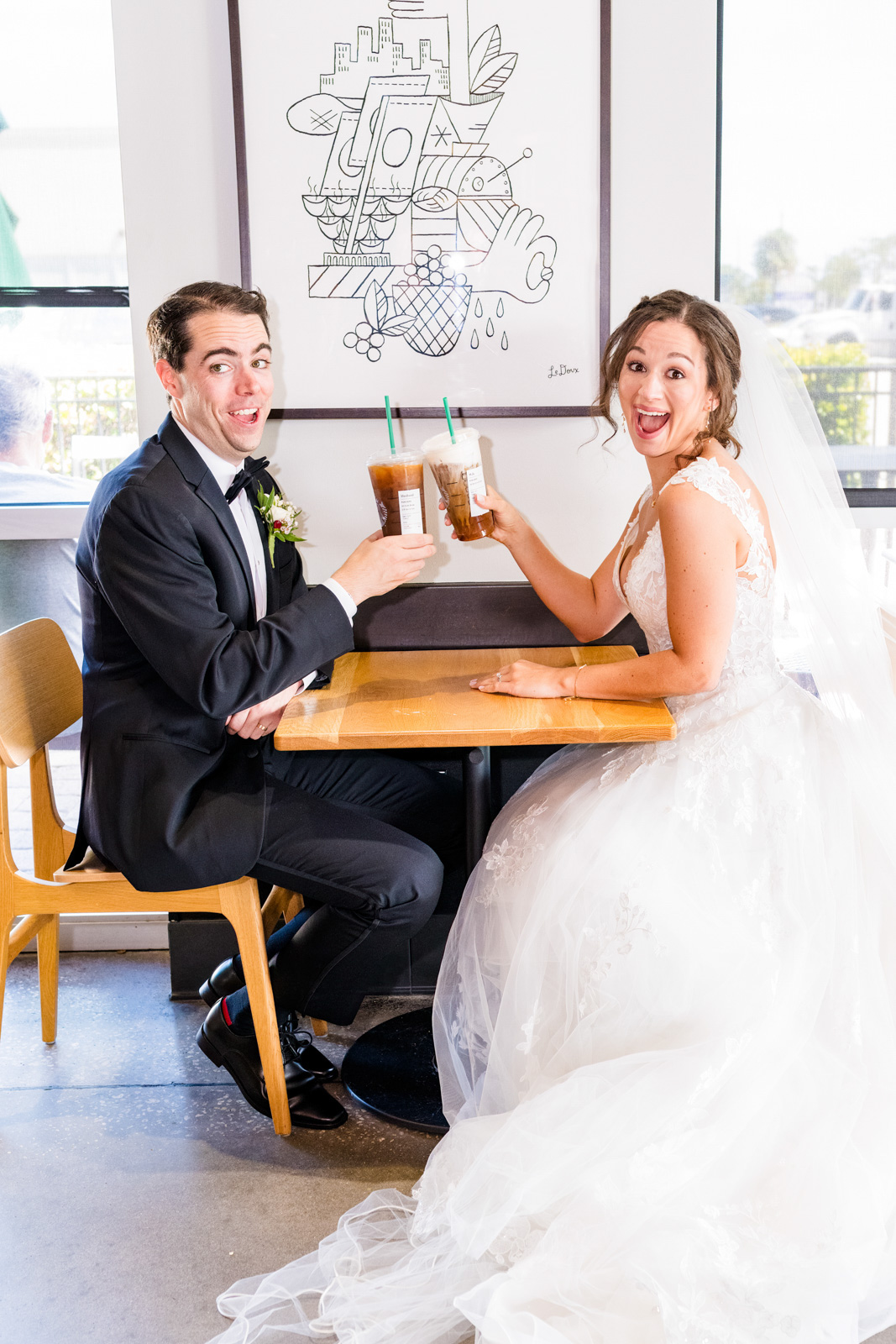
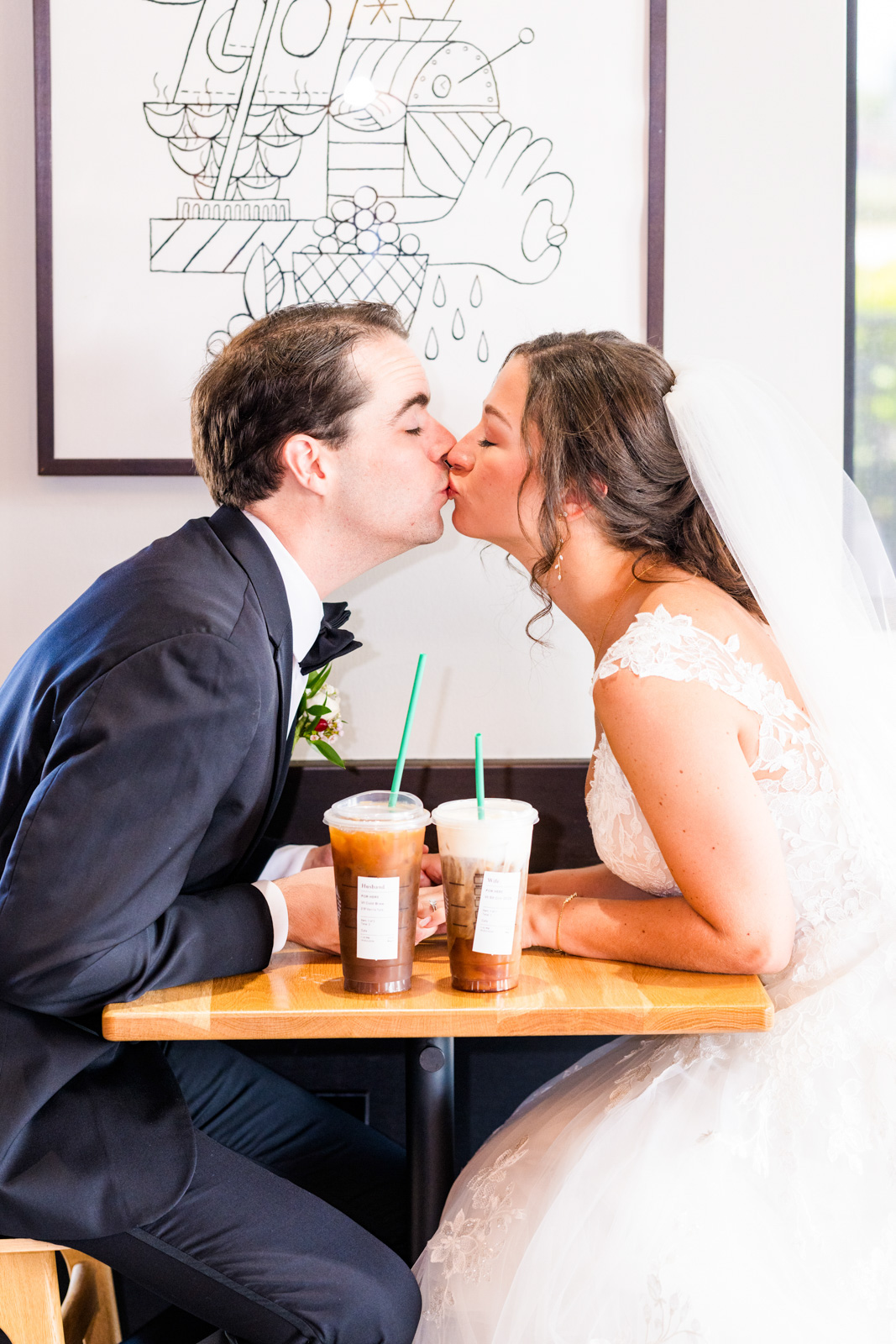
Does a first look affect how much coverage you need?
It can.
A first look often allows us to photograph more of your portraits before the ceremony.
That may include couple portraits, wedding-party photographs and sometimes even immediate-family photographs.
This can free up a lot of time after the ceremony and allow you to enjoy more of cocktail hour.
But a first look doesn’t necessarily mean you need fewer photography hours.
In many cases, it simply changes where those hours fall in the timeline.
And if you don’t want a first look, that’s completely fine too. We just need to build enough portrait time into the schedule after the ceremony.
Travel time counts as photography coverage
This is something couples sometimes forget when looking at package hours.
If I’m photographing you getting ready at a hotel, then traveling to a church, then traveling again to your reception venue, all of that travel happens during your coverage time.
For example, if there is a 30-minute drive between your ceremony and reception, that’s 30 minutes we aren’t photographing.
That doesn’t mean you need to avoid multiple locations. We just need to account for them when deciding how many hours you need.
Does a second photographer mean you need fewer hours?
Not necessarily.
A second photographer gives us the ability to photograph different things happening at the same time.
For example, while I’m photographing the bride getting ready, a second photographer may be with the groom.
During the ceremony, we can capture different angles and reactions.
During portraits, one photographer may be working with the couple while the other photographs cocktail hour.
That creates more complete coverage, but it doesn’t usually replace the need for enough time in your overall wedding-day timeline.
Do you need your photographer until the end of the reception?
Usually, no.
Unless you’re planning a specific late-night event or exit, you probably don’t need professional photography until the venue turns the lights on.
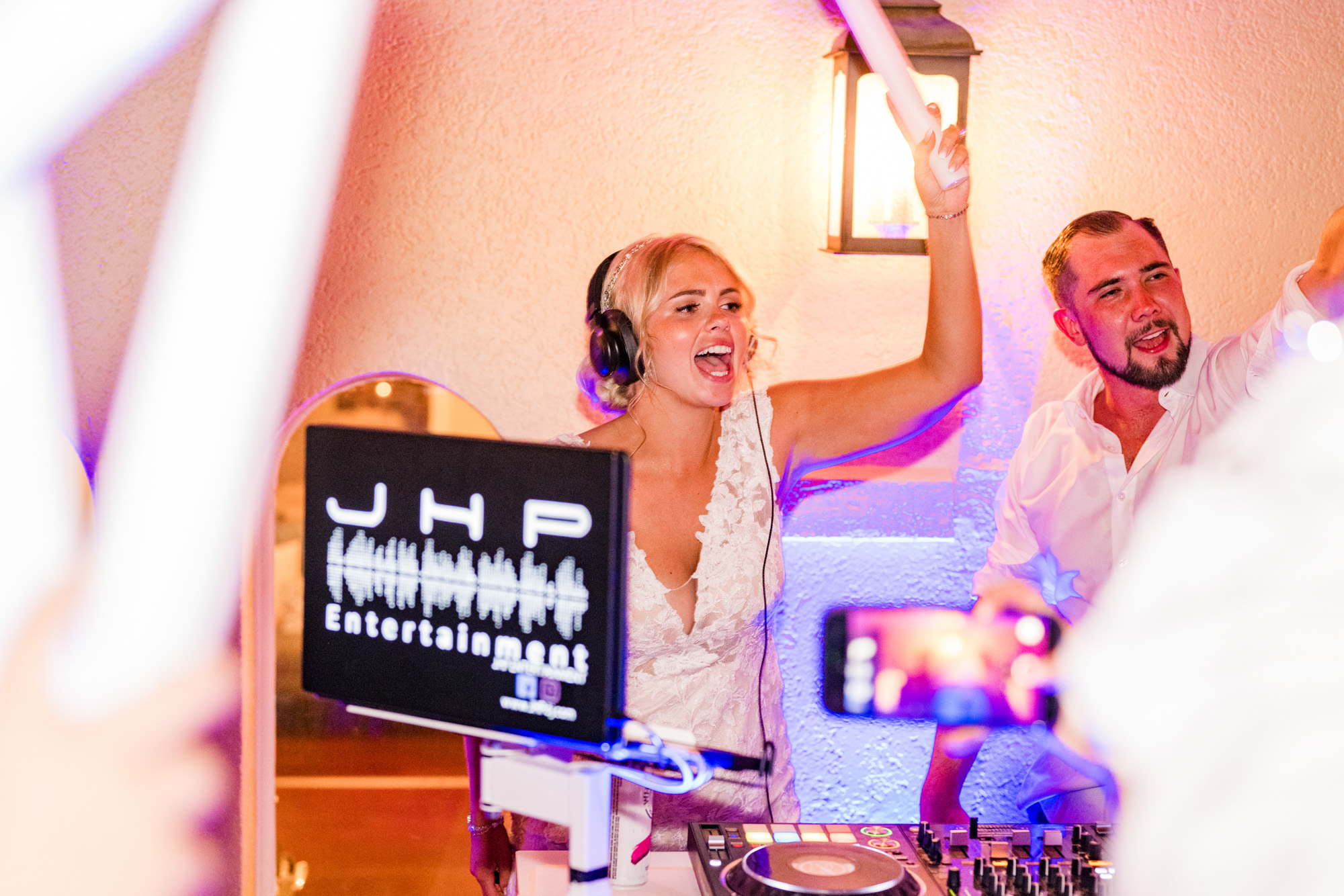
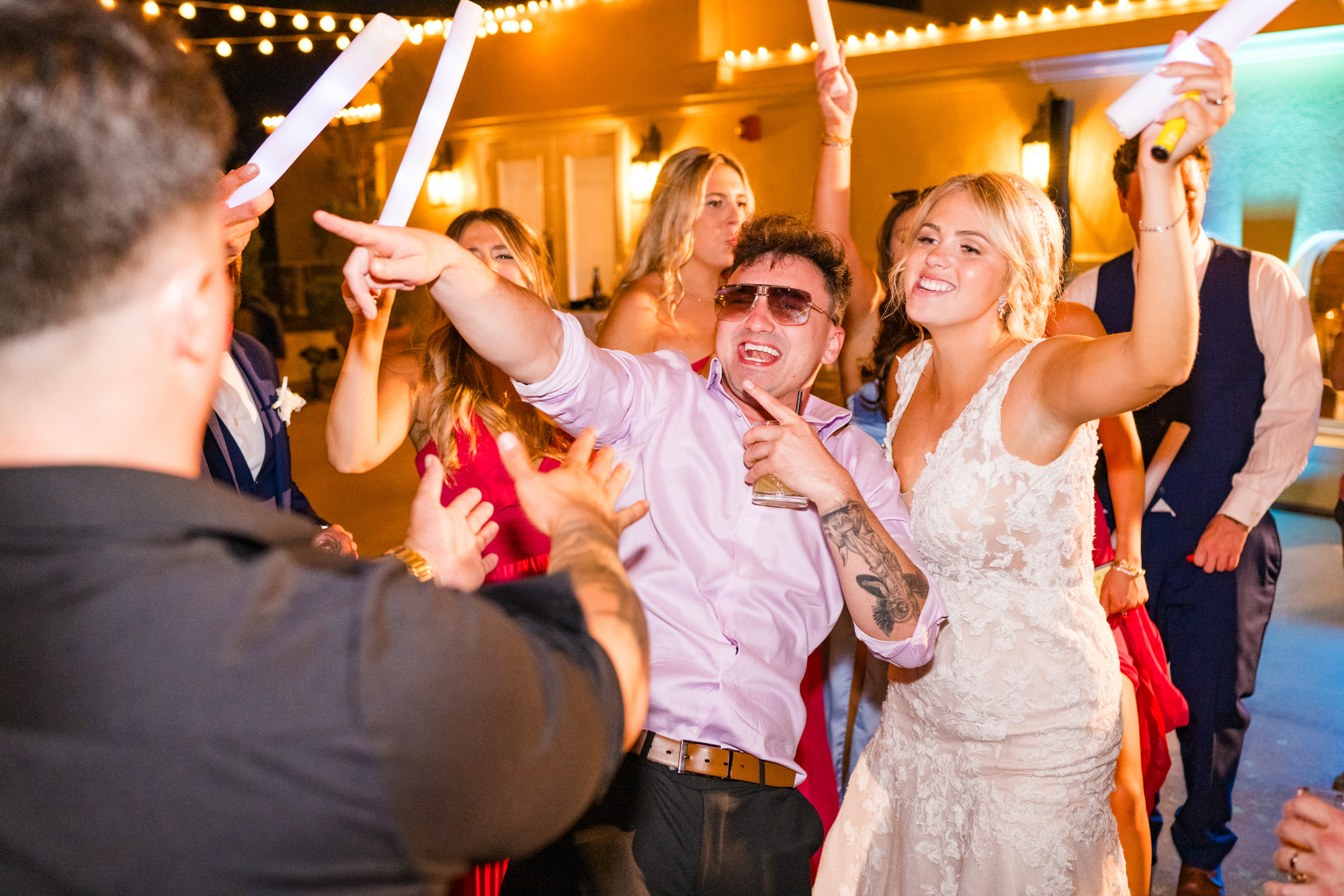
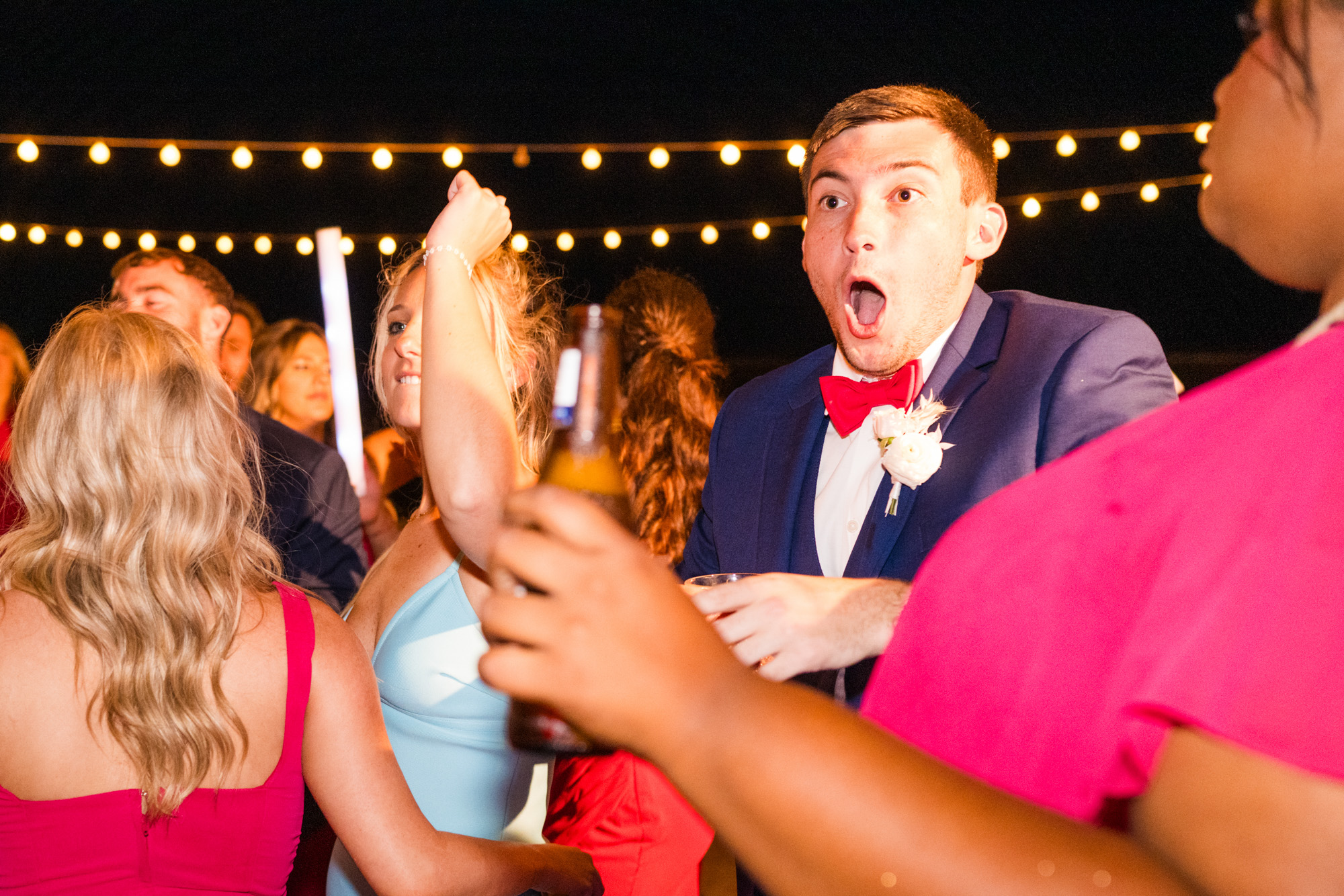
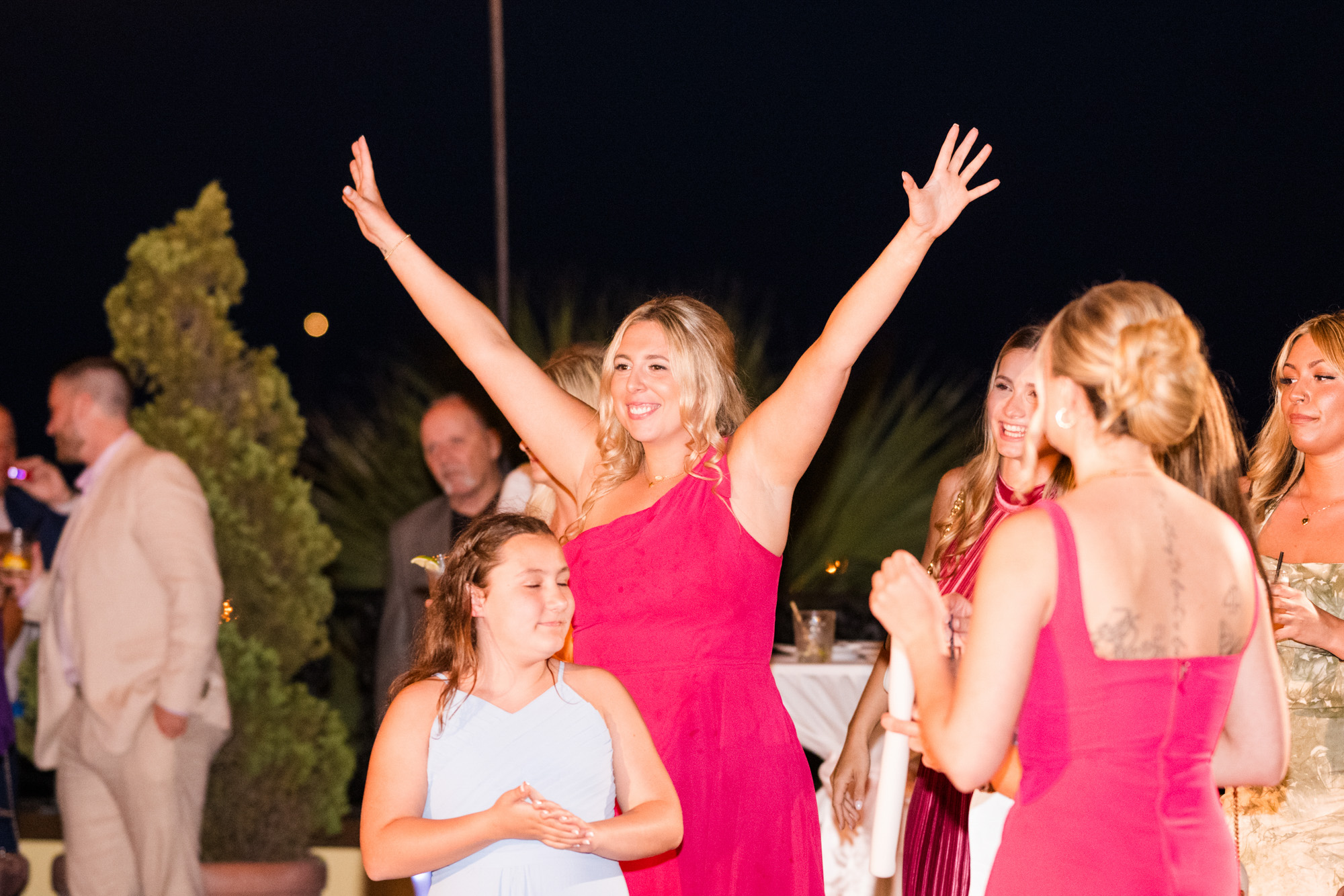
Once the dance floor gets going, I can usually capture the energy of the reception within a reasonable amount of time.
That means we may photograph an hour or so of dancing rather than staying for every song.
If you’re planning a sparkler exit, private last dance or another special ending, though, we’ll want to make sure the coverage extends long enough to include it.
How much getting-ready coverage do you need?
This is another place where couples sometimes assume they need more time than they actually do.
You don’t necessarily need photography from the moment hair and makeup begins.
I usually want to arrive when things are already underway and there is enough happening to photograph.
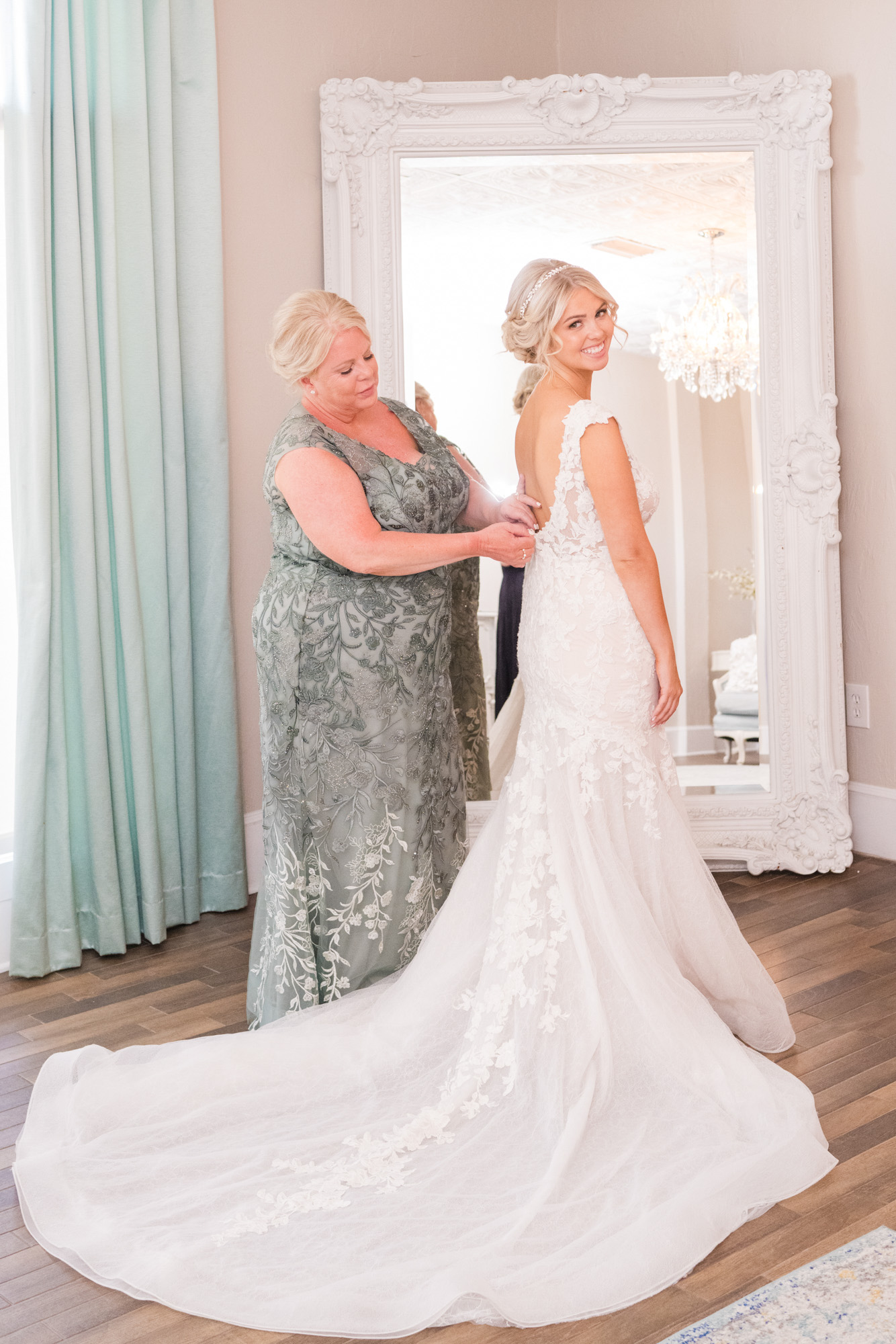
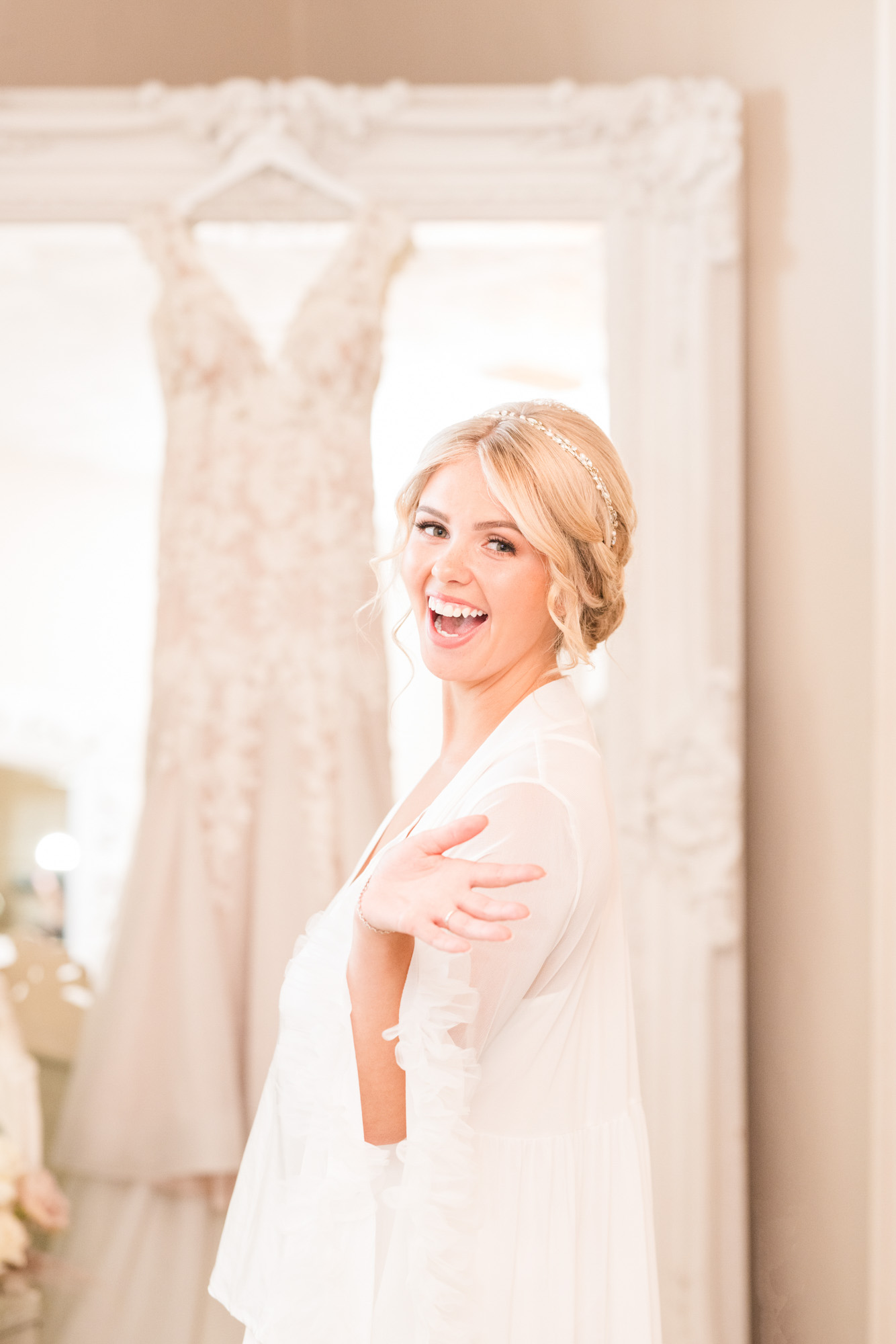
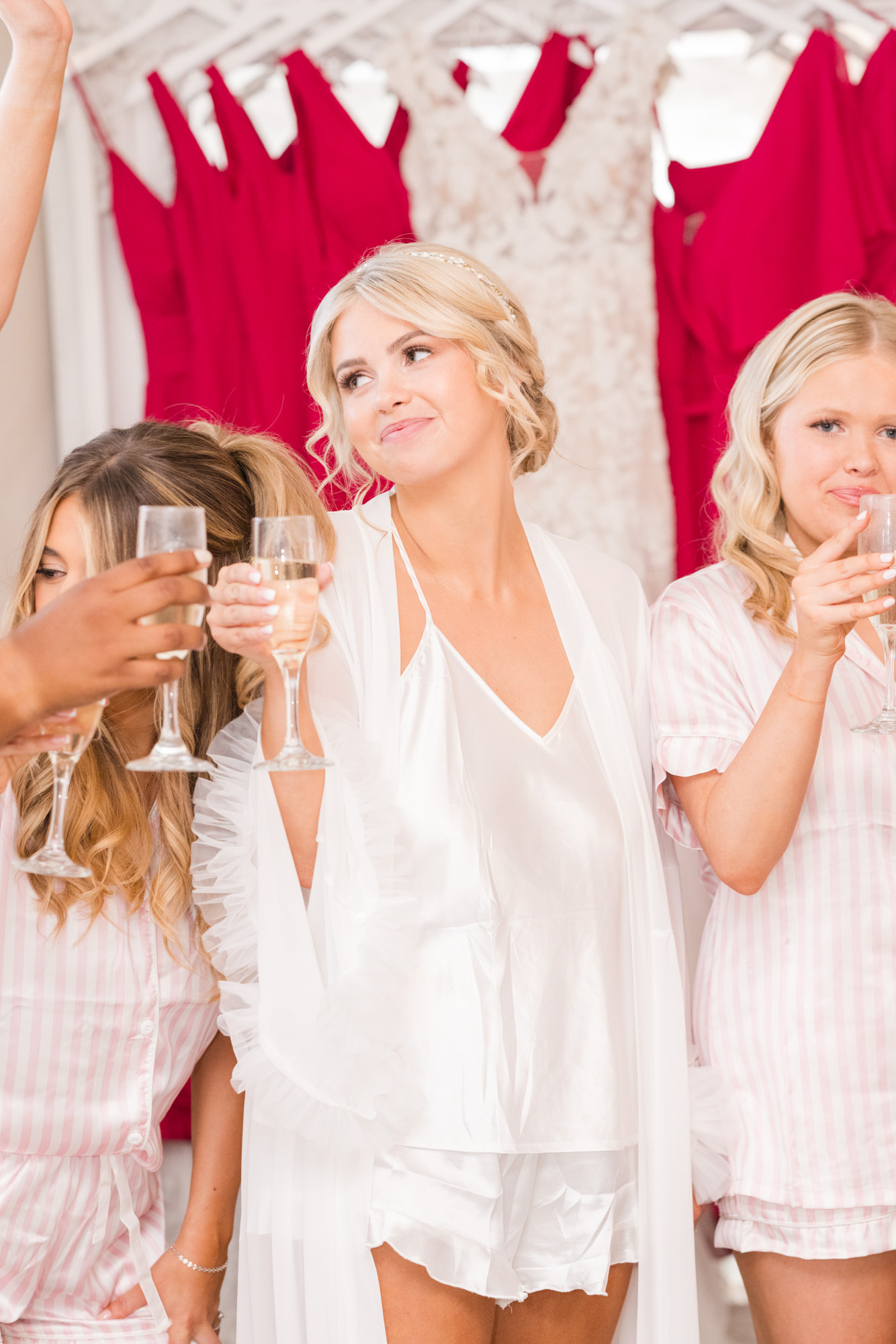
That gives us time for details, candid moments, finishing touches, getting dressed and portraits without spending hours photographing people sitting in hair and makeup chairs.
The exact timing depends on your day, but the goal is always to capture the story without using coverage time unnecessarily.
What if you choose the wrong amount of coverage?
This is why I don’t think couples should have to build their entire wedding timeline before they book a photographer.
You can choose the collection that makes the most sense based on what you know now, and then we can refine the timeline as the wedding gets closer.
Once your ceremony time, getting-ready location and reception schedule are finalized, it becomes much easier to see whether your coverage still makes sense.
In many cases, additional coverage can be added later if we decide you need it.
So how many hours of wedding photography do you actually need?
A very simple starting point is:
Four hours: Elopements and micro weddings
Six hours: Smaller weddings or simpler timelines
Eight hours: Most full wedding days
Ten hours: Multiple locations, longer celebrations, extensive getting-ready coverage or planned exits
But those are only starting points.
Two weddings with the same number of guests can need completely different photography timelines.
The best approach is to look at your actual wedding day, decide which moments matter most to you, and build the coverage around that.
That way your photography fits your wedding — instead of trying to make your wedding fit a photography package.
Planning your Florida wedding?
I photograph weddings throughout Melbourne, Melbourne Beach, Vero Beach, Orlando and beyond, and I help my couples think through their photography timeline long before the wedding day arrives.
If you’re not sure how many hours you’ll need, you don’t have to figure it out on your own.
We can talk through your plans, your priorities and the flow of your day and choose coverage that makes sense for your wedding.
Explore the Wedding Experience
Coverage is only one part of choosing the right photographer. Style, experience, personality and how comfortable you feel with them matter just as much. You can read my full guide to choosing a wedding photographer in Melbourne, Florida here.