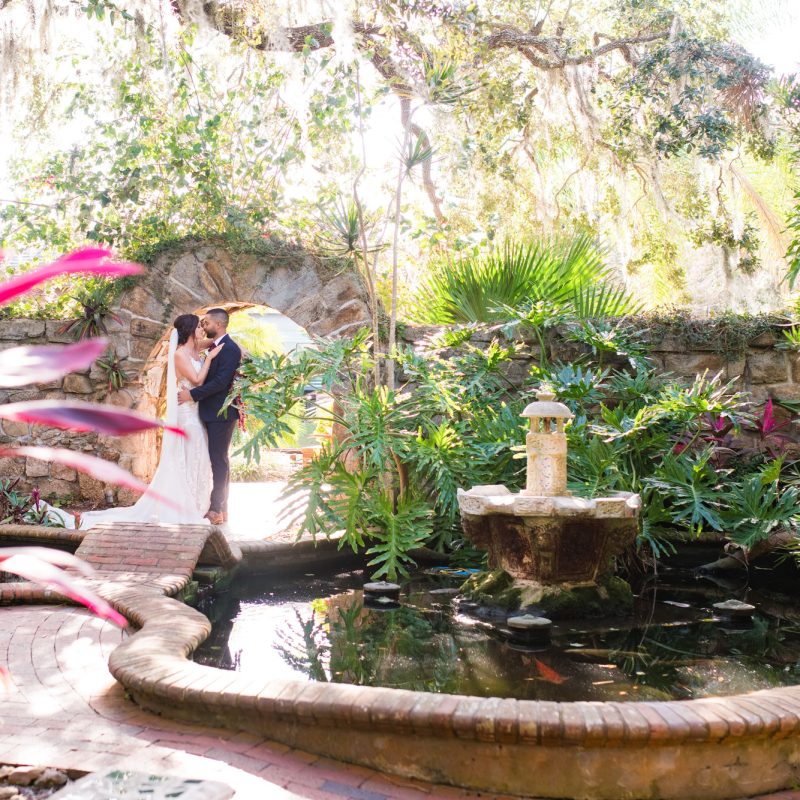
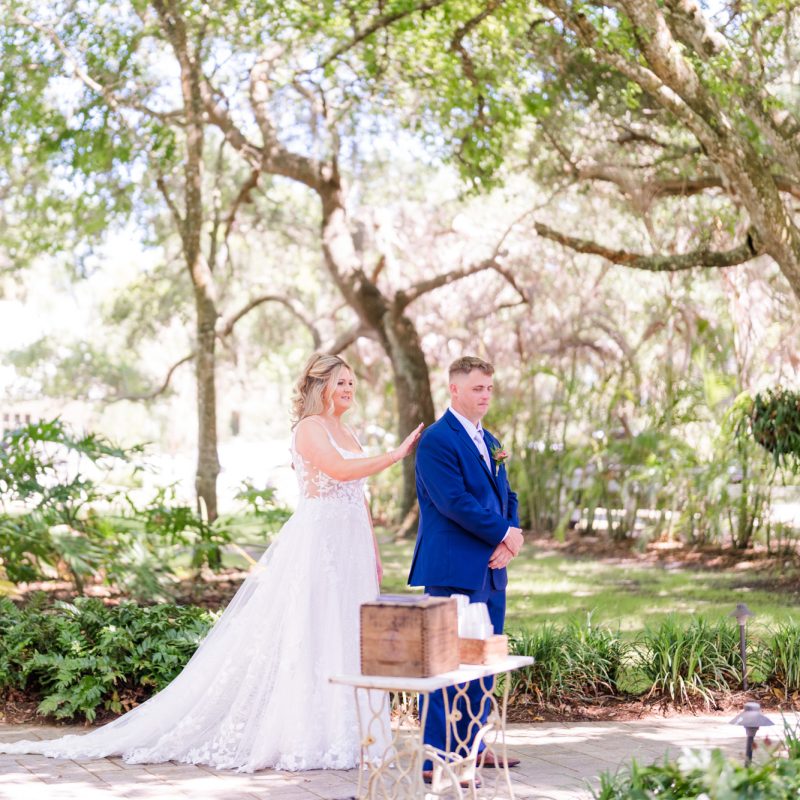
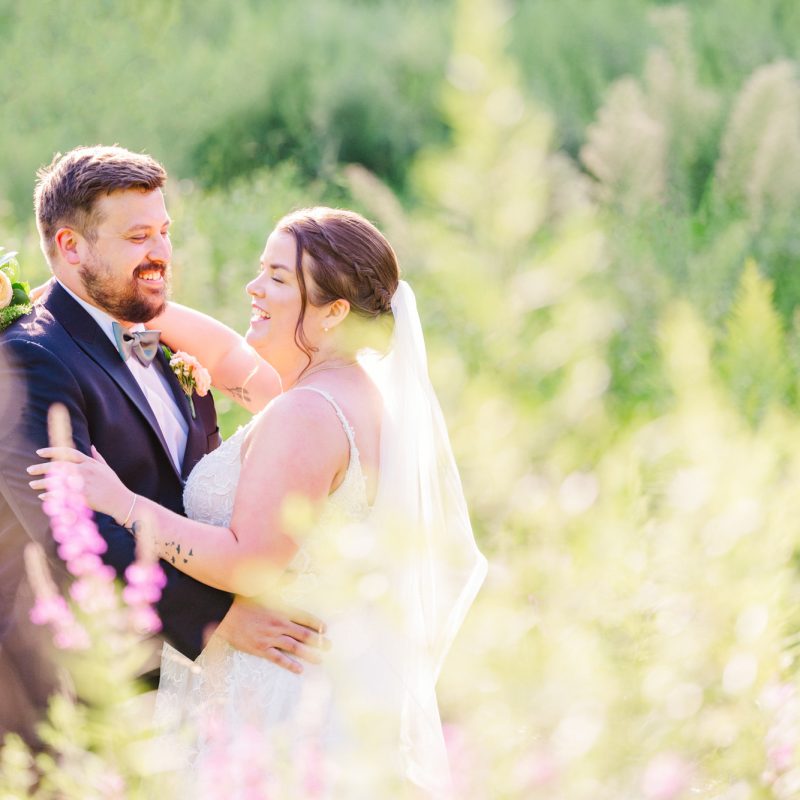
If you are planning a Florida wedding, there is a good chance you have spent some time checking the weather forecast.
Possibly a lot of time.
You may have imagined an outdoor ceremony, portraits beneath the palm trees or a walk along the beach—and now the forecast shows rain.
First: take a breath.
Rain does not automatically ruin a wedding day. It may change the location of the ceremony, move a few photographs or require us to adjust the timeline, but it does not change the reason everyone is there.
I have photographed Florida weddings through sunshine, wind, clouds and fast-moving storms. The best protection is not a perfect forecast. It is a realistic backup plan, an experienced vendor team and enough flexibility to take advantage of whatever the day gives us.
Here is what you should know.
Begin with a real backup plan
If any part of your wedding will happen outside, ask the venue about its rain plan before you book.
Do not settle for “We will figure it out.”
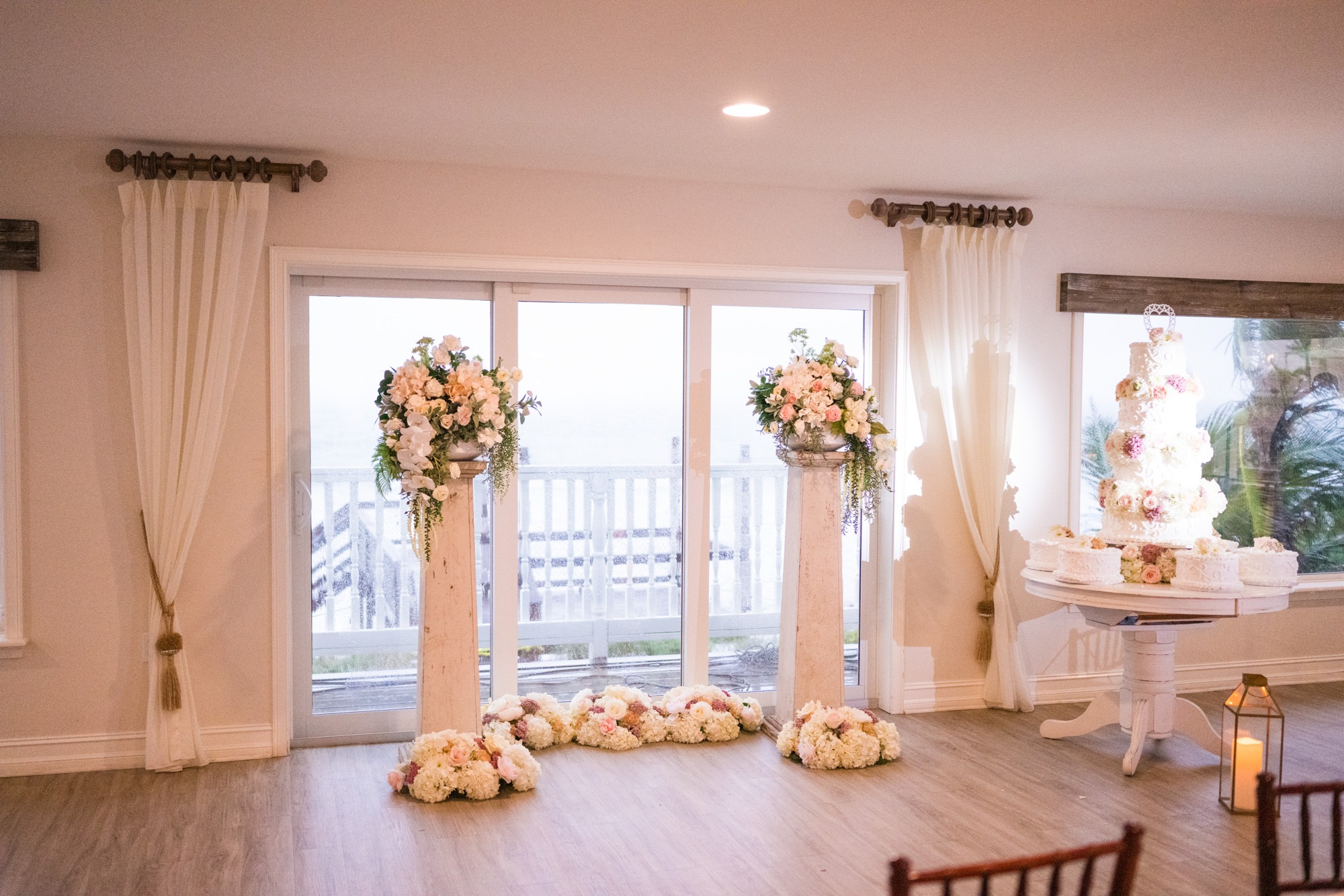
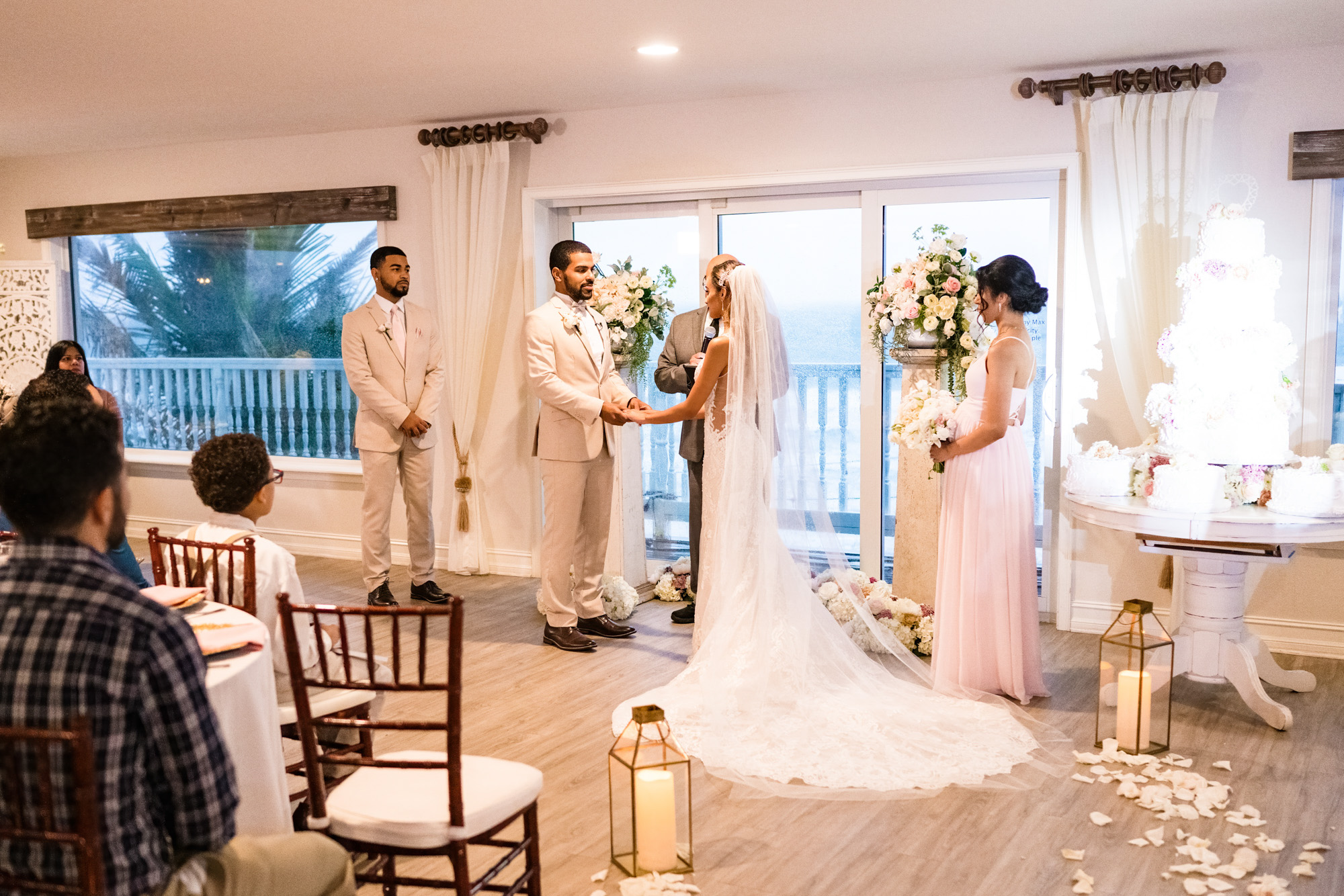
Ask to see the actual backup location and imagine your wedding taking place there. Make sure the space can comfortably accommodate your guests and still feels like somewhere you would be happy to get married.
Questions to ask include:
- Where will the ceremony move if it rains?
- Is the backup space covered or fully indoors?
- How many guests can it hold comfortably?
- When will the rain decision be made?
- Who makes that decision?
- How quickly can the ceremony setup be moved?
- Will the same décor work in the backup location?
- Is there a covered place for family and wedding-party photographs?
- Are there safe outdoor areas we can use between showers?
- How will guests move between the ceremony and reception without getting soaked?
A backup plan should not feel like a punishment for having bad weather. It should be a genuine second option.
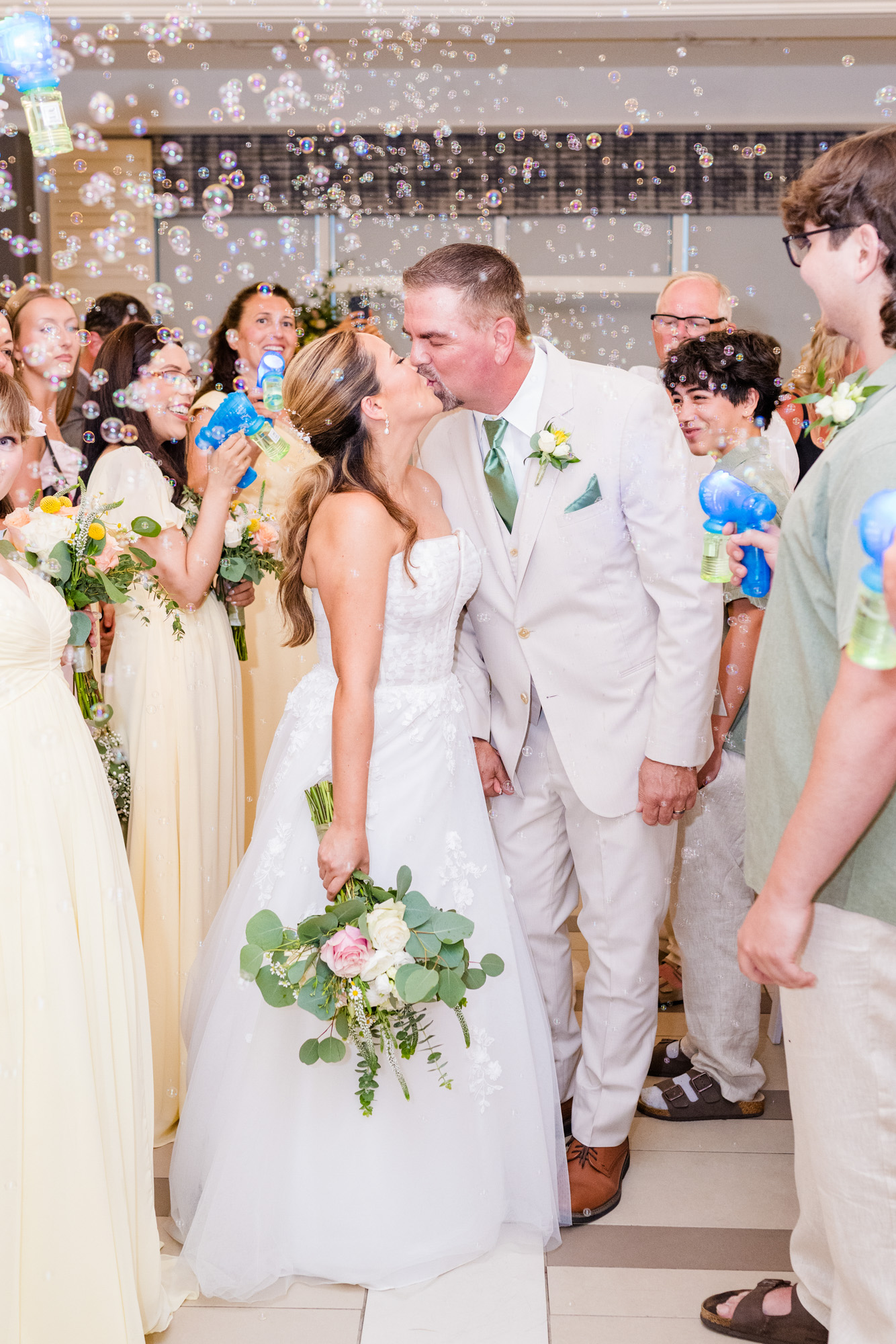
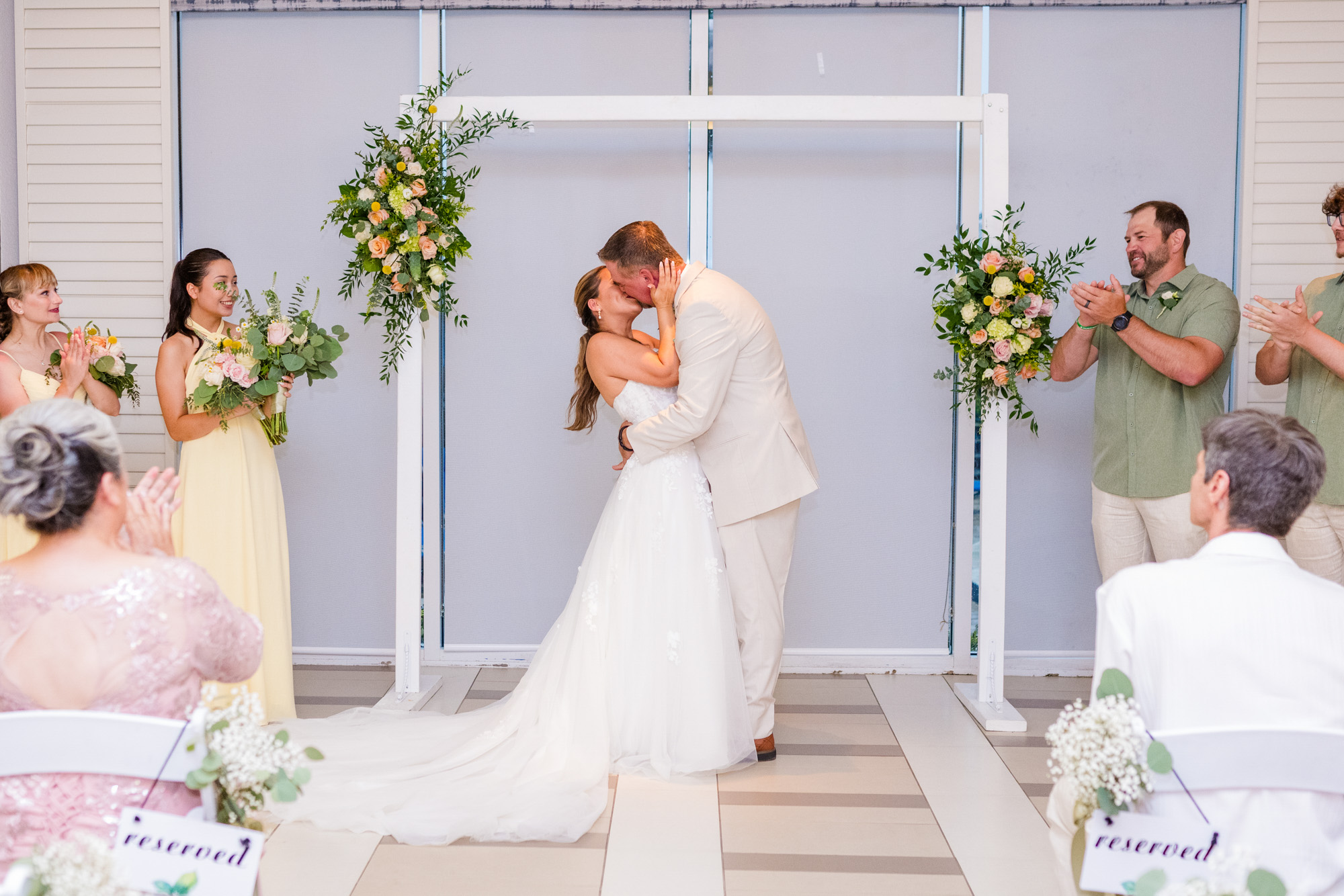
Your planner is especially important when the weather changes
Your wedding planner or venue coordinator is responsible for managing the larger logistics of the day.
They will communicate with the venue, ceremony team, florist, rental company, caterer and other vendors if anything needs to move. They also help decide when the ceremony setup must be changed.
Your photographer should work closely with the planner instead of creating a separate schedule.
I may recommend moving portraits to a different part of the day because I see a break in the weather. Your planner will know whether that change works with transportation, food service and the rest of the event.
When your planner and photographer communicate well, small timeline adjustments can happen without making you feel as though you are managing the weather yourself.
That is exactly what your vendor team is there to do.
Florida rain can move quickly
Florida weather does not always behave like the forecast suggests.
A weather app may show rain for the entire afternoon when the actual storm lasts fifteen minutes. One part of town can receive a downpour while another stays completely dry.
That does not mean every storm will pass quickly or that you should ignore the forecast. It means you should avoid deciding that the entire wedding is ruined based on a rain icon several days in advance.
Your venue and local vendors understand the usual weather patterns. They will monitor the conditions as the wedding gets closer and make decisions using more than one glance at an hourly forecast.
Wait for the people who are physically present at the venue to guide the final decision.
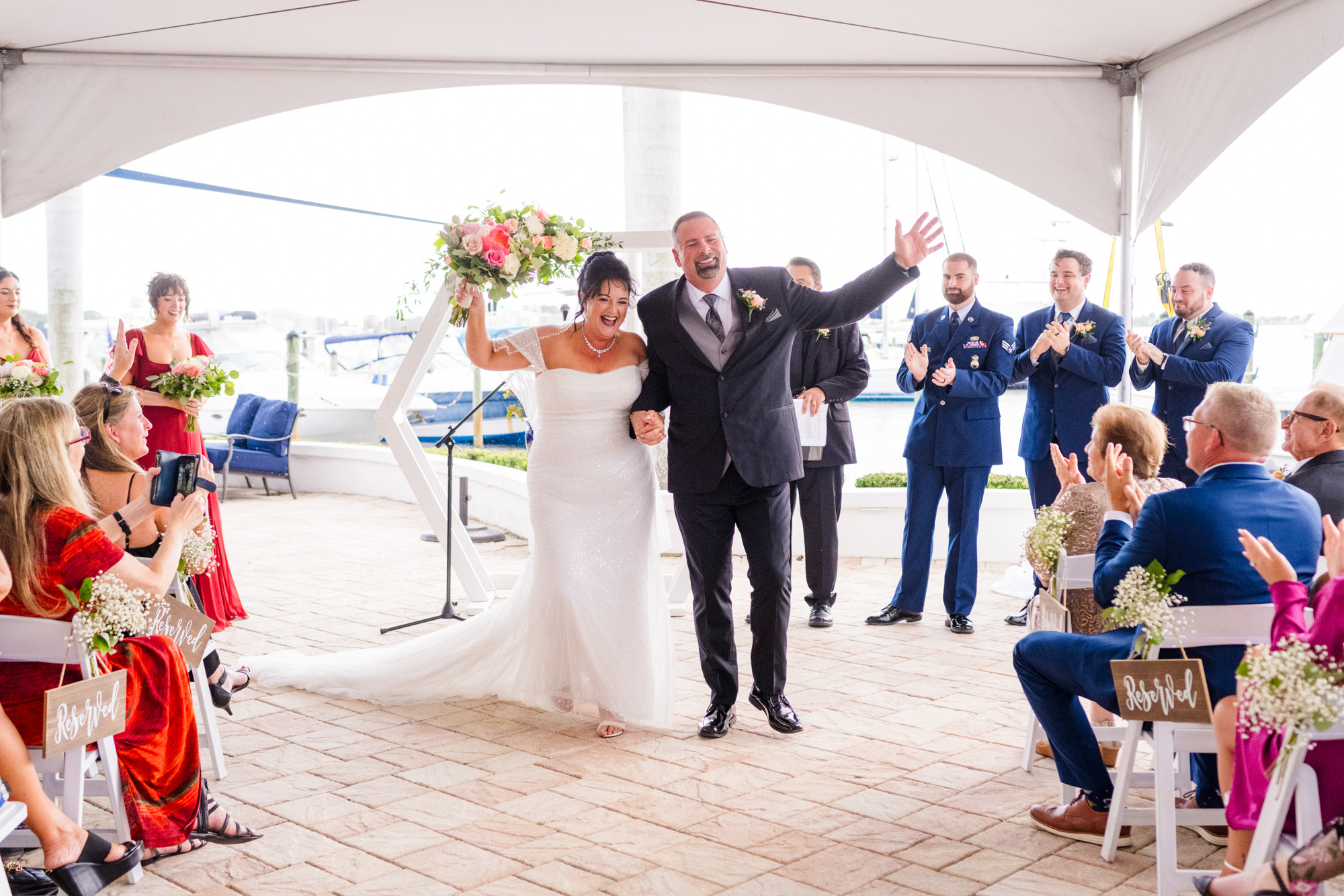
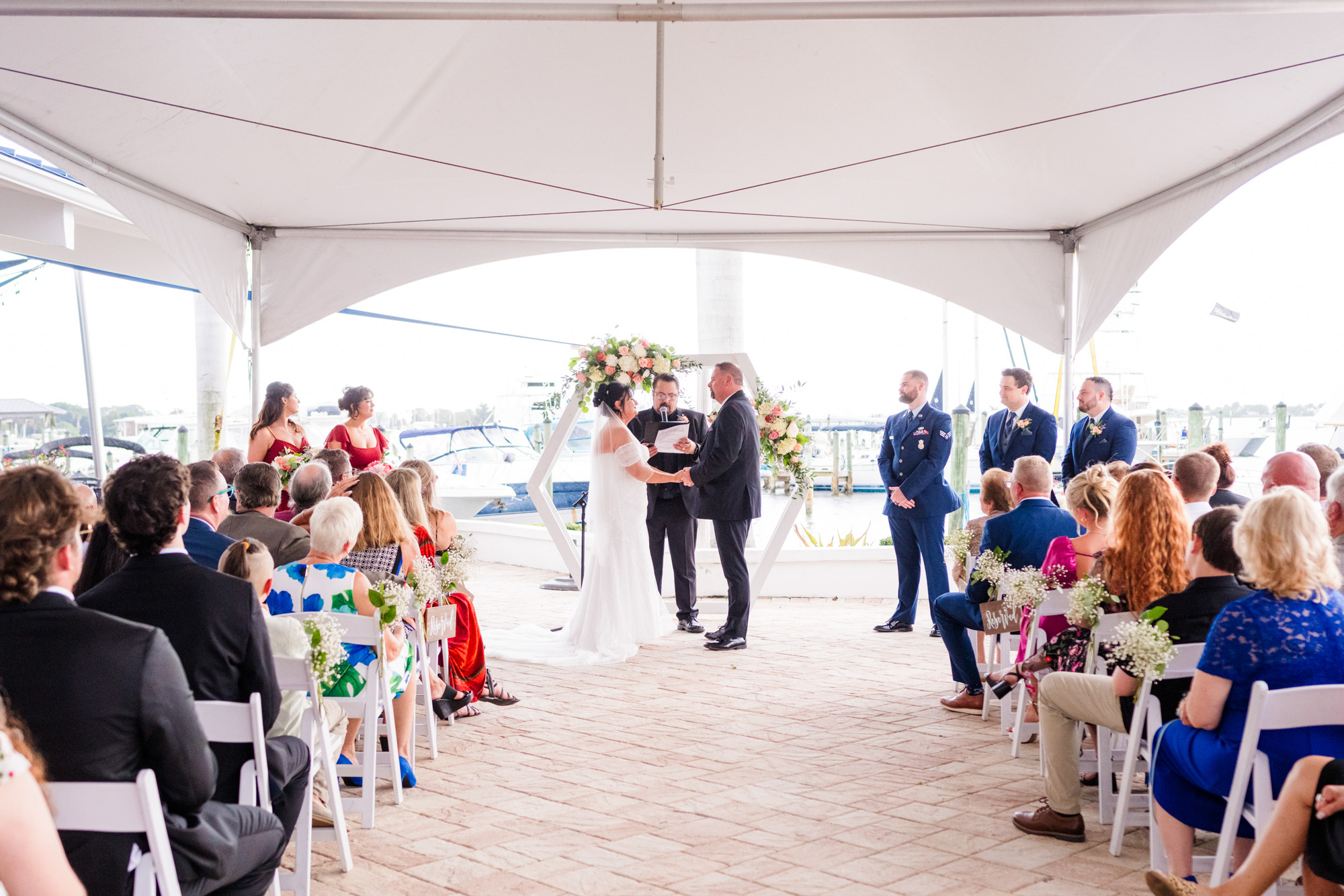
Build breathing room into the timeline
A schedule packed down to the minute is difficult even in perfect weather.
If rain delays the ceremony, transportation or portraits, a timeline with no breathing room can begin to feel stressful very quickly.
A relaxed wedding-day timeline should include small buffers throughout the day. This gives us room to move photographs earlier, wait for a shower to pass or step outside when the sky suddenly clears.
A first look can also provide helpful flexibility. If we complete some couple, wedding-party and family photographs before the ceremony, we are not depending on one short period afterward for every important portrait.
You do not need to arrange the entire wedding around the possibility of rain. We simply need enough flexibility to adjust without making the day feel rushed.
How to Create a Relaxed Wedding-Day Photography Timeline
Should You Have a First Look at Your Wedding?
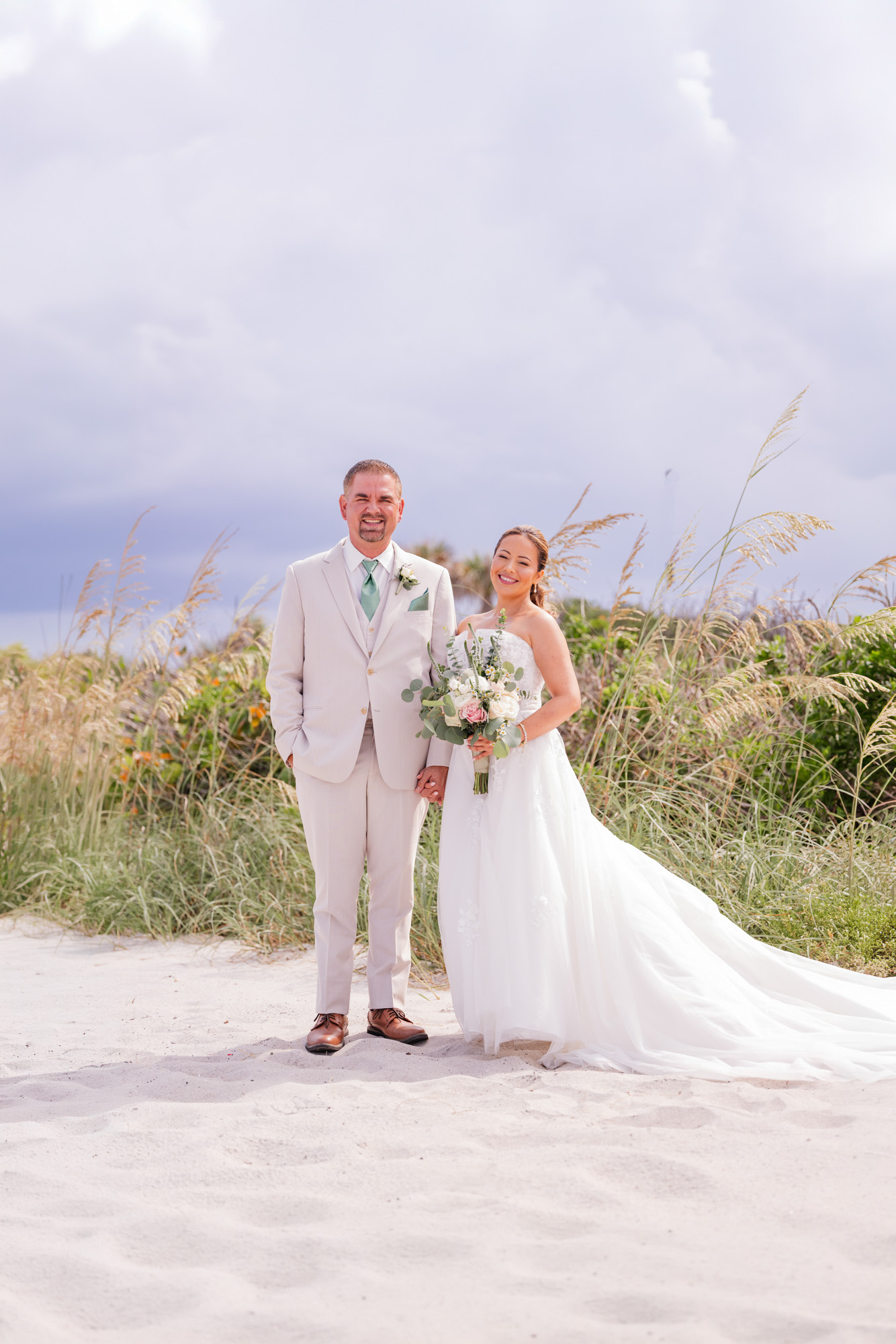
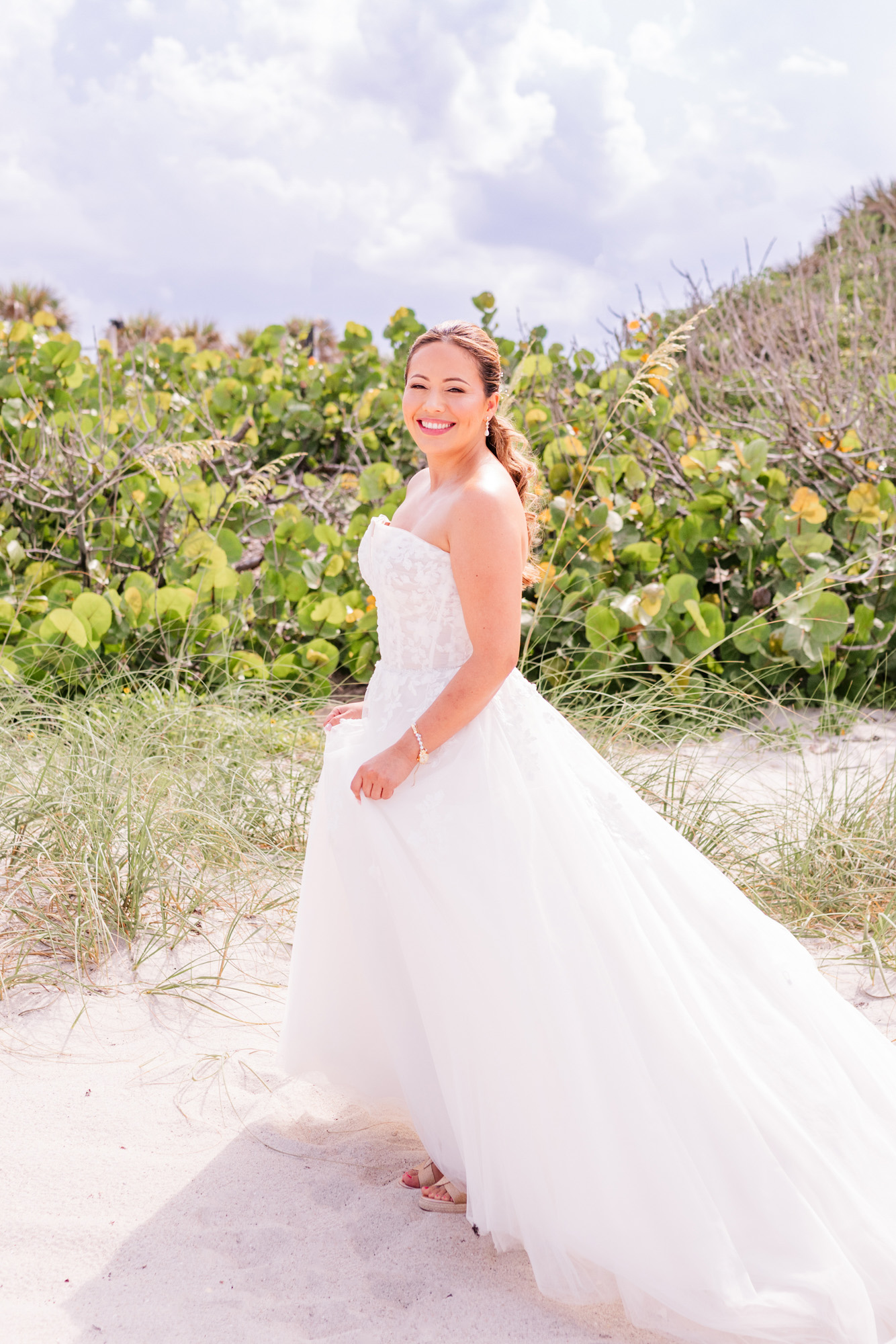
Cloudy skies can create beautiful light
Couples often assume that bright sunshine produces the best photographs.
It can be beautiful—but it can also create strong shadows, squinting and very bright areas, particularly on a Florida beach.
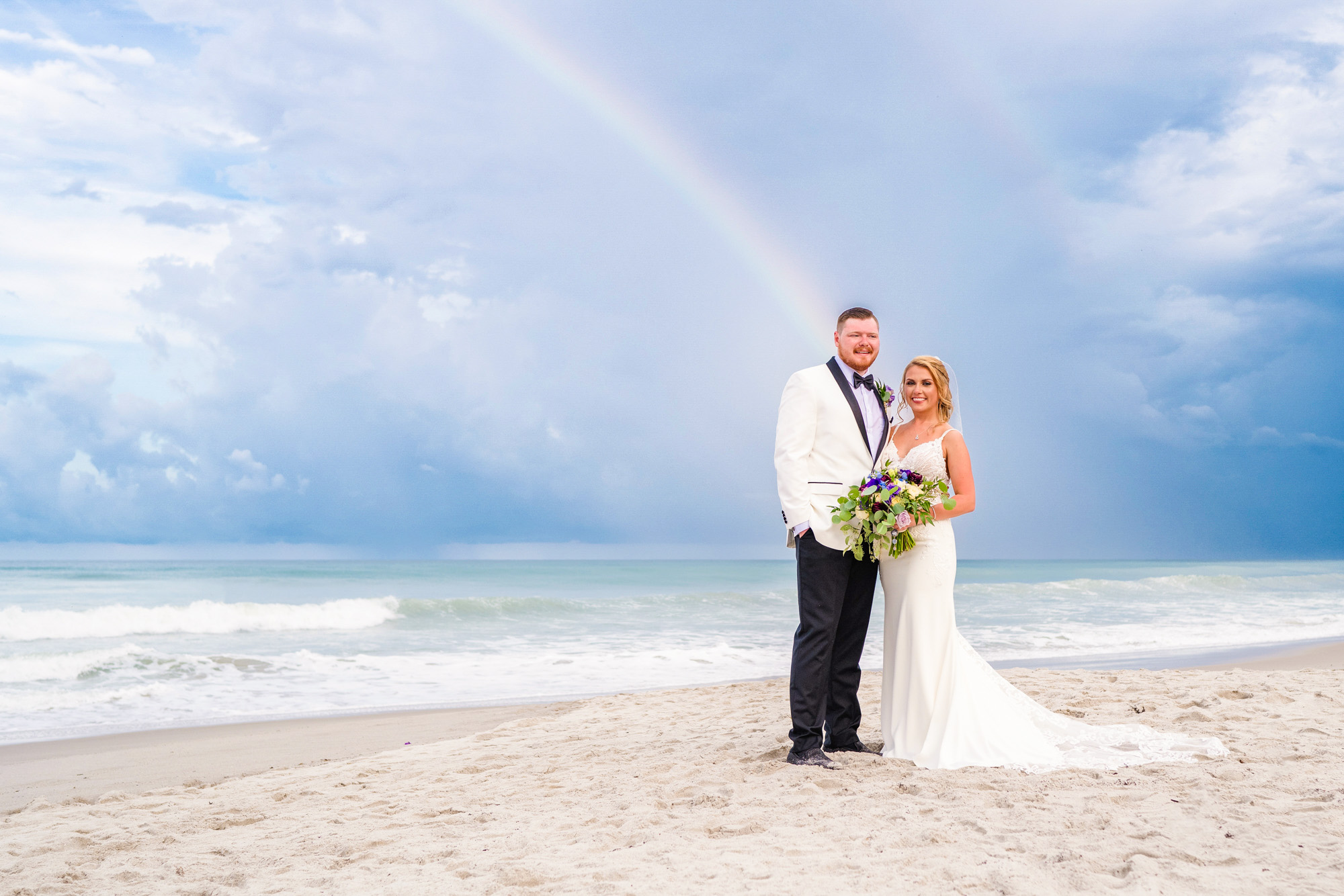
Cloud cover softens the light. It can create even skin tones, richer colors and more flexibility in where we take portraits.
A grey sky may not resemble the sunset you imagined, but it does not mean the photographs will feel dark or gloomy. The expressions, relationships and colors in the scene still create the mood.
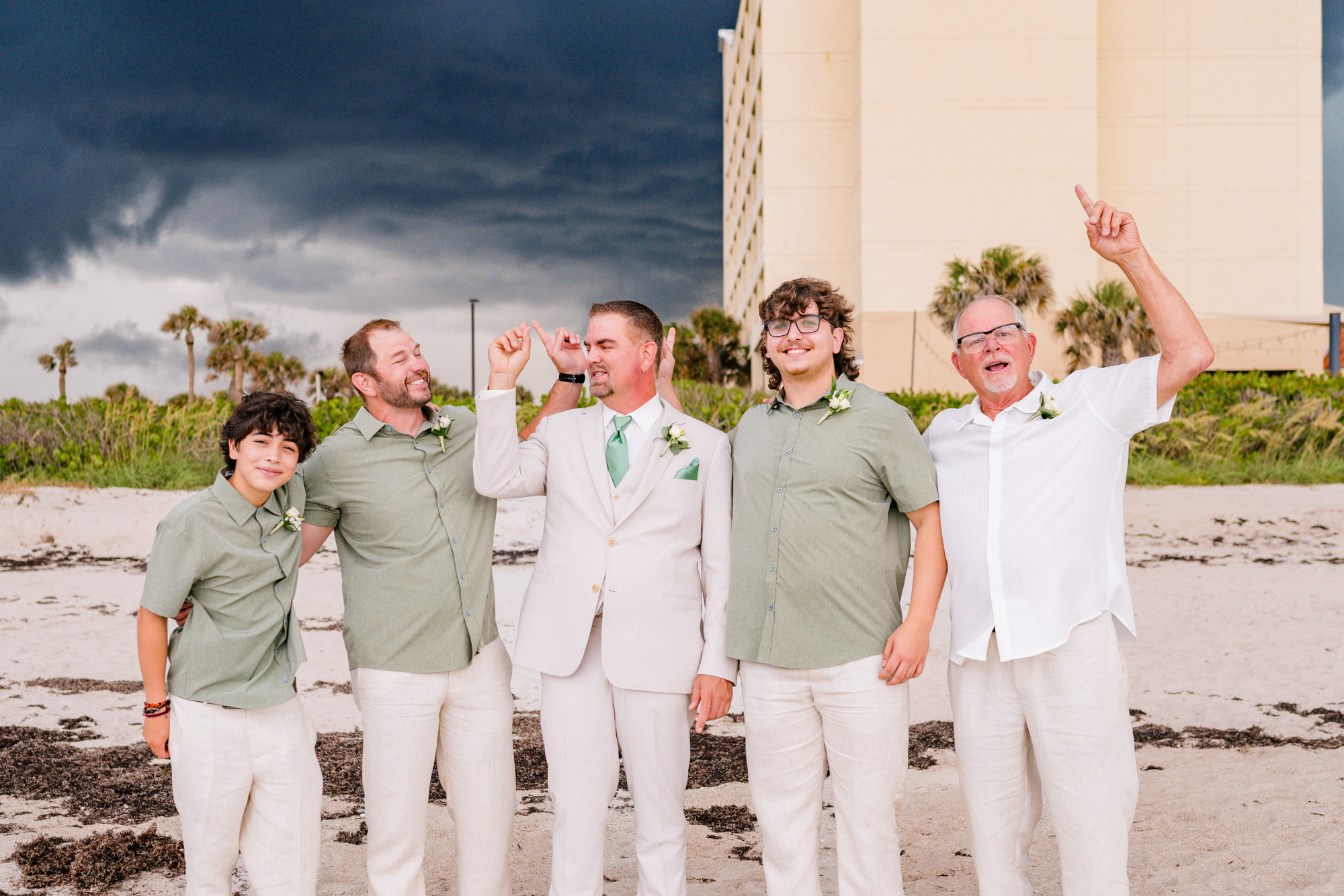
Some of my favorite wedding photographs have been created under dramatic clouds just before or after a storm.
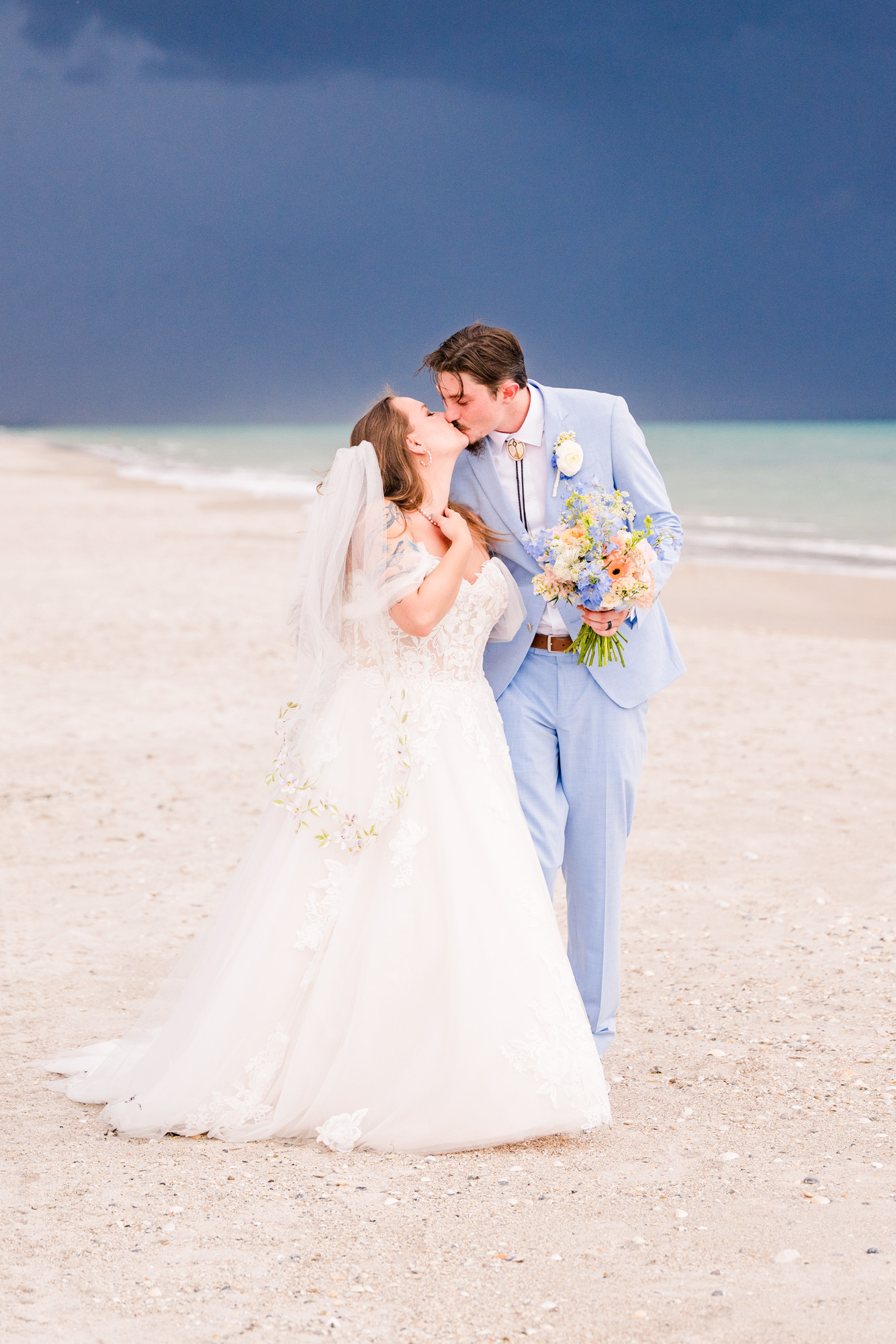
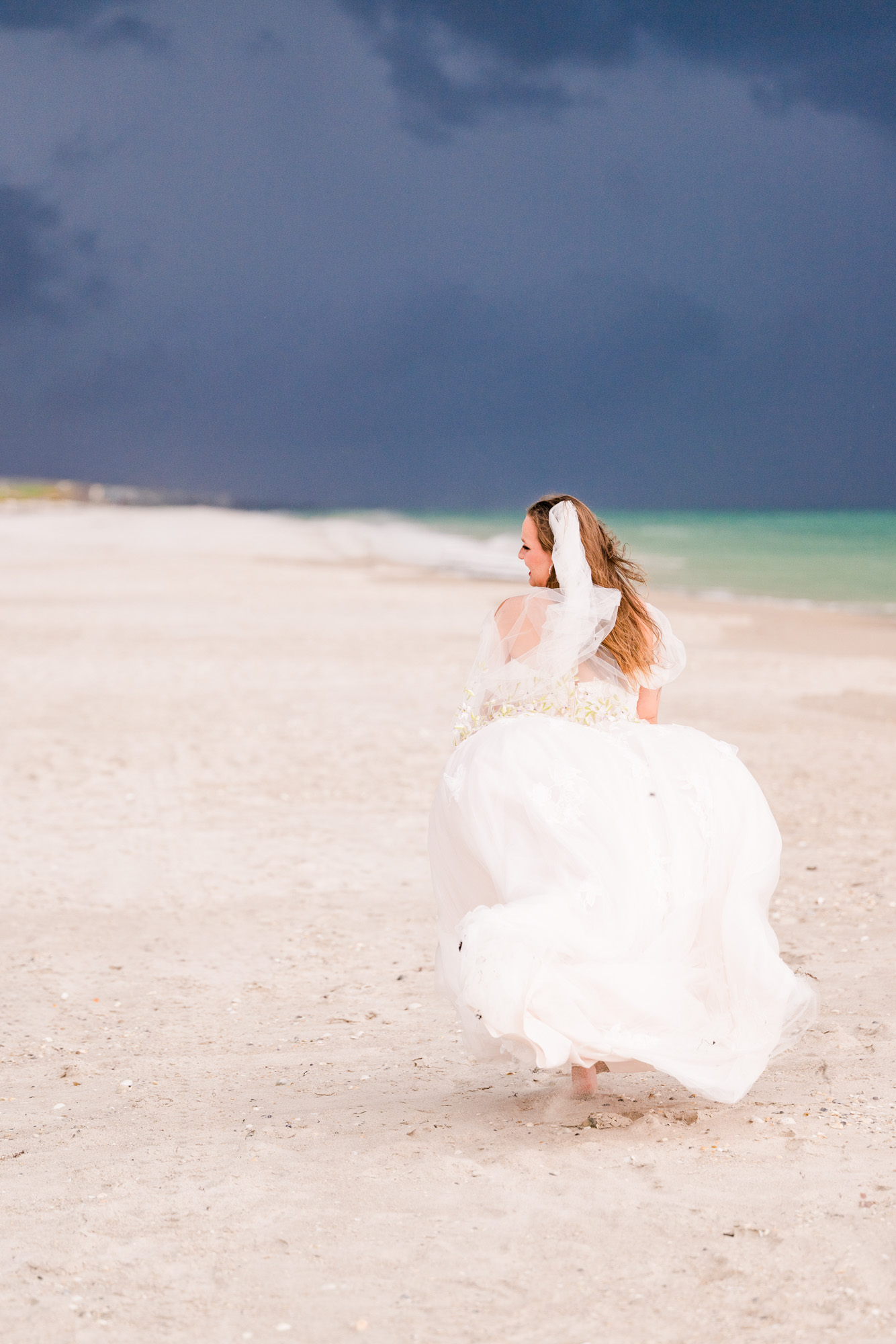
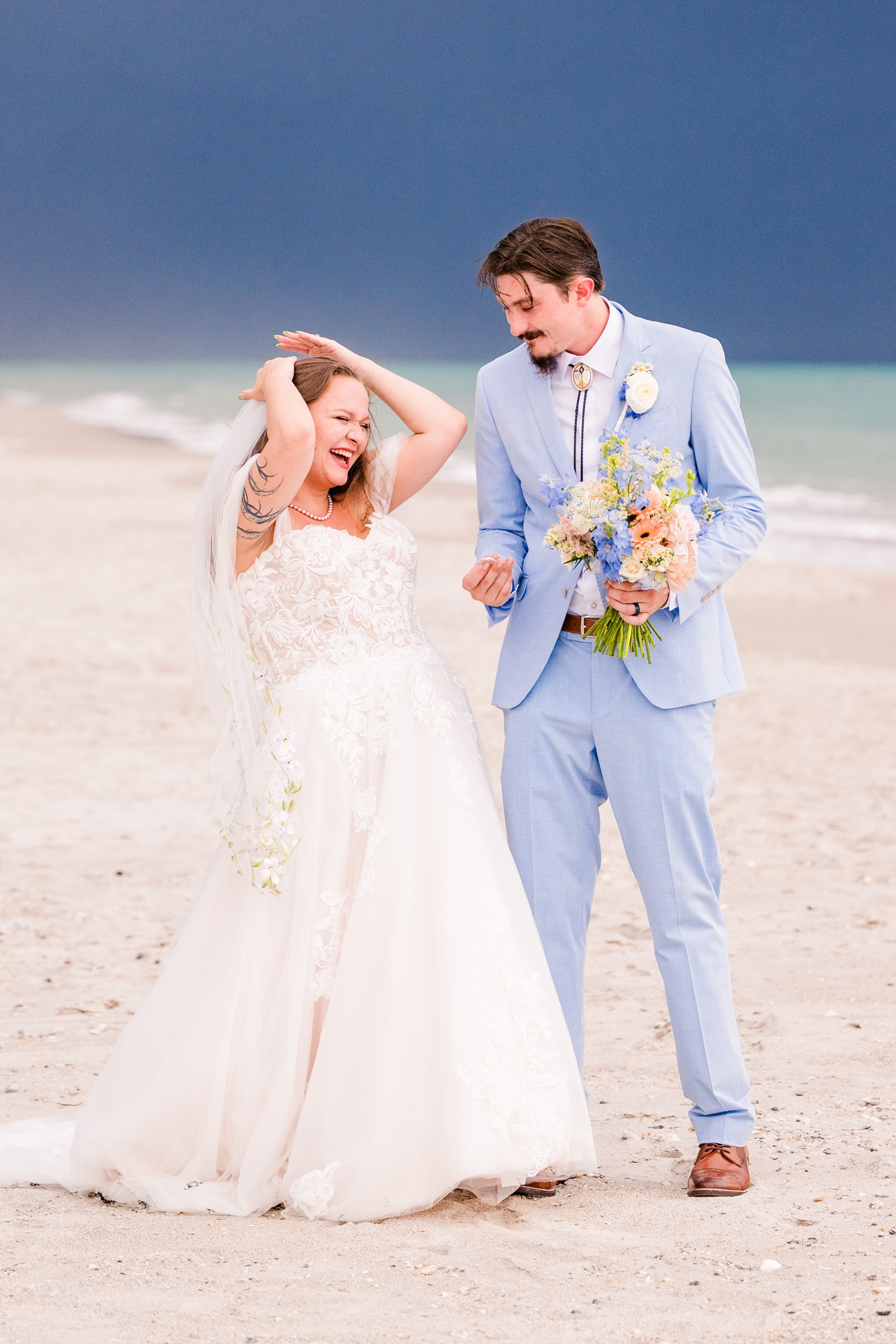
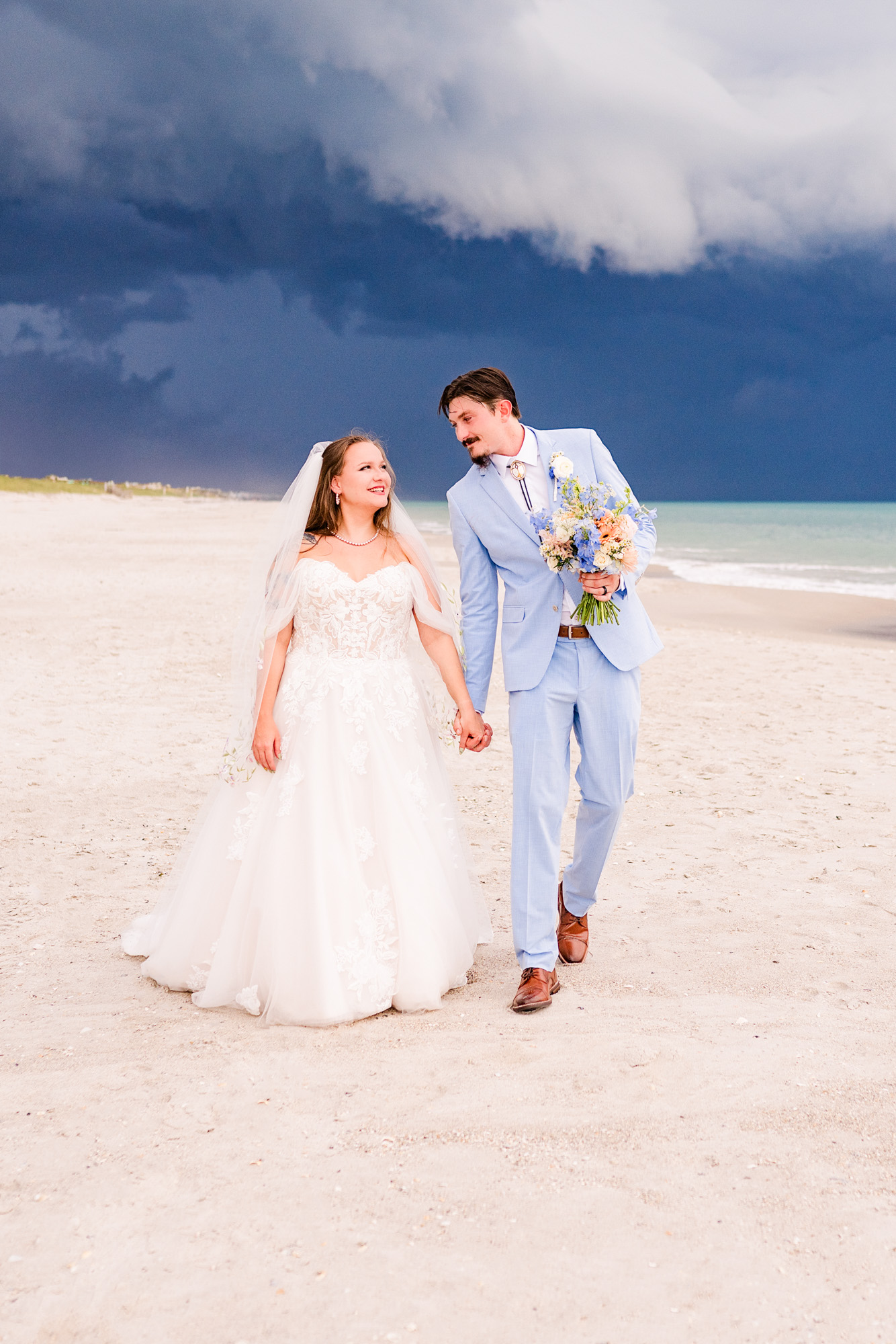
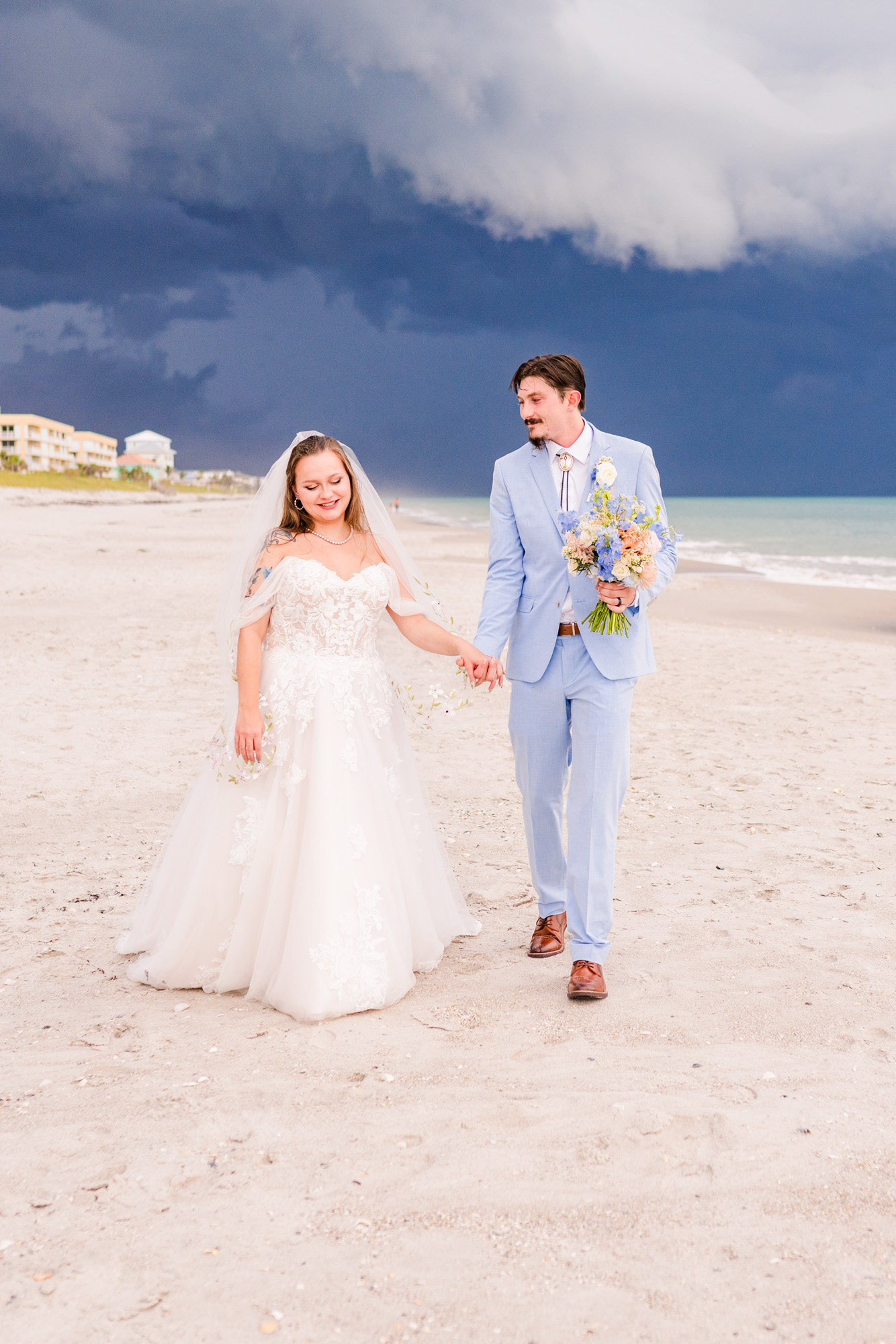
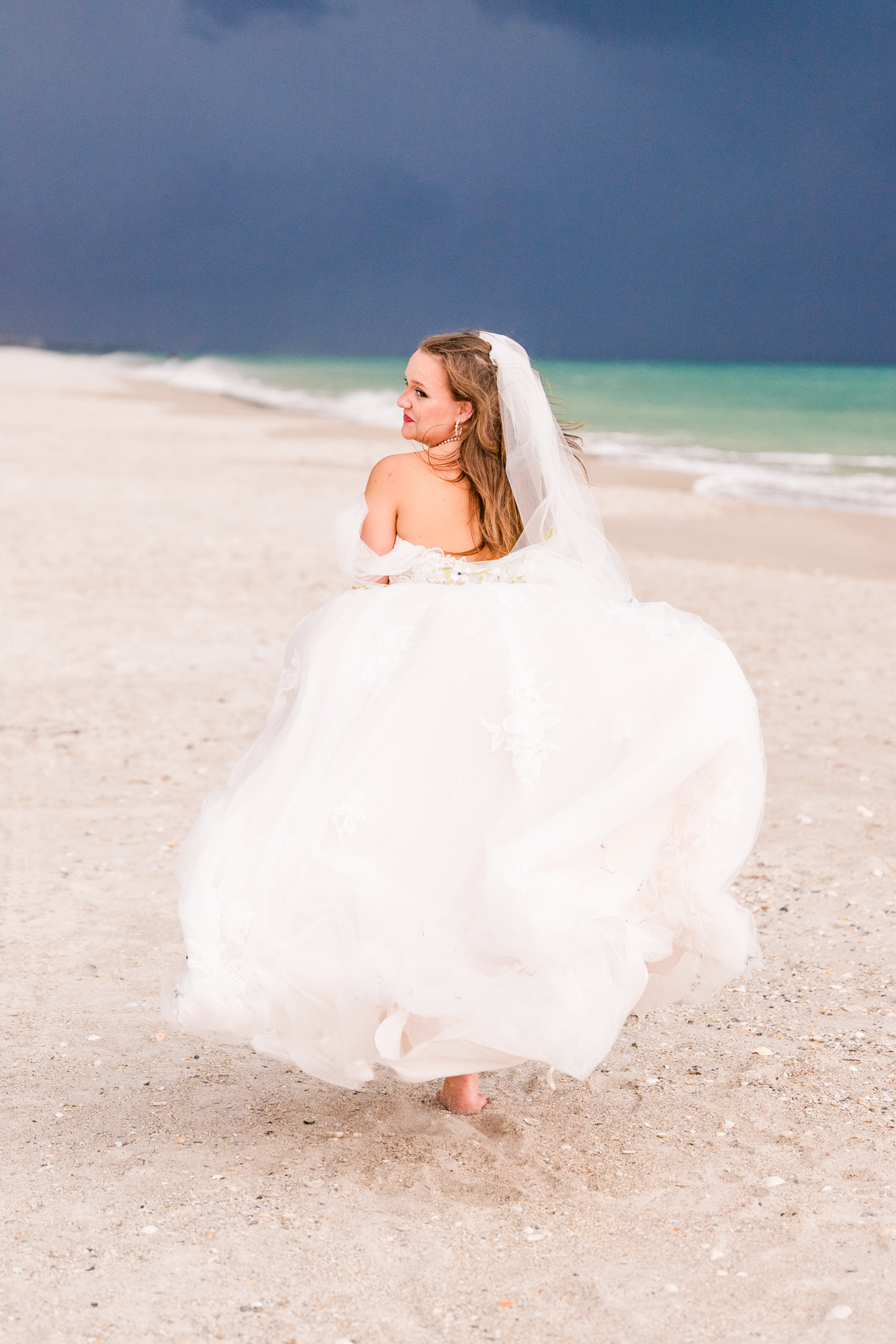
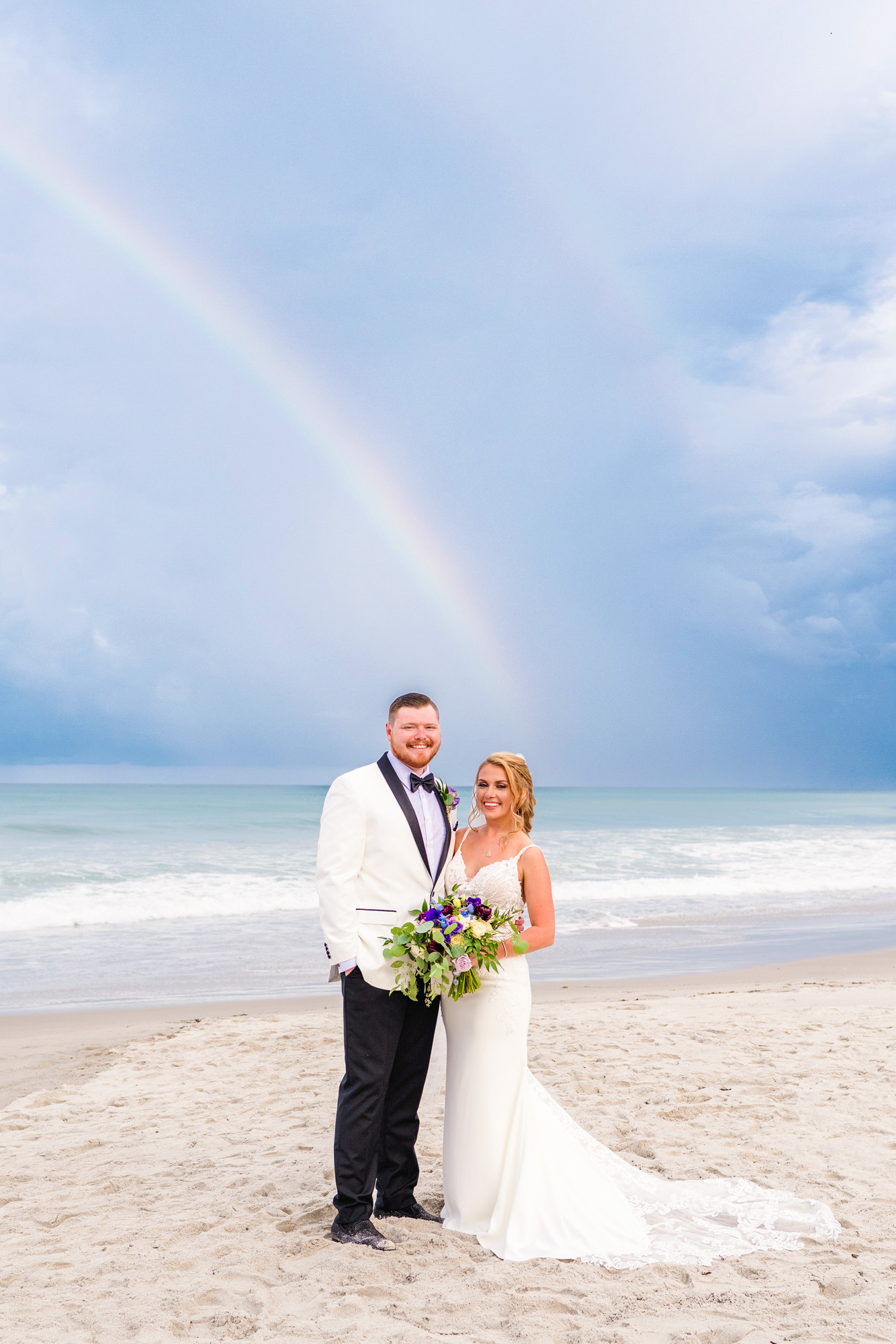
We can watch for breaks in the weather
If the conditions are safe, we do not need an hour of perfect weather to create outdoor portraits.
A ten-minute opening may be enough for photographs of the two of you. We can complete the larger family and wedding-party groups under cover, then step outside quickly when the rain slows.
This is another reason it helps to have an experienced planner and photographer. We will watch the weather, communicate with each other and be ready to move when an opportunity appears.
You should not have to spend the reception staring out the window or refreshing the radar.
If there is a safe opening, I will find you.
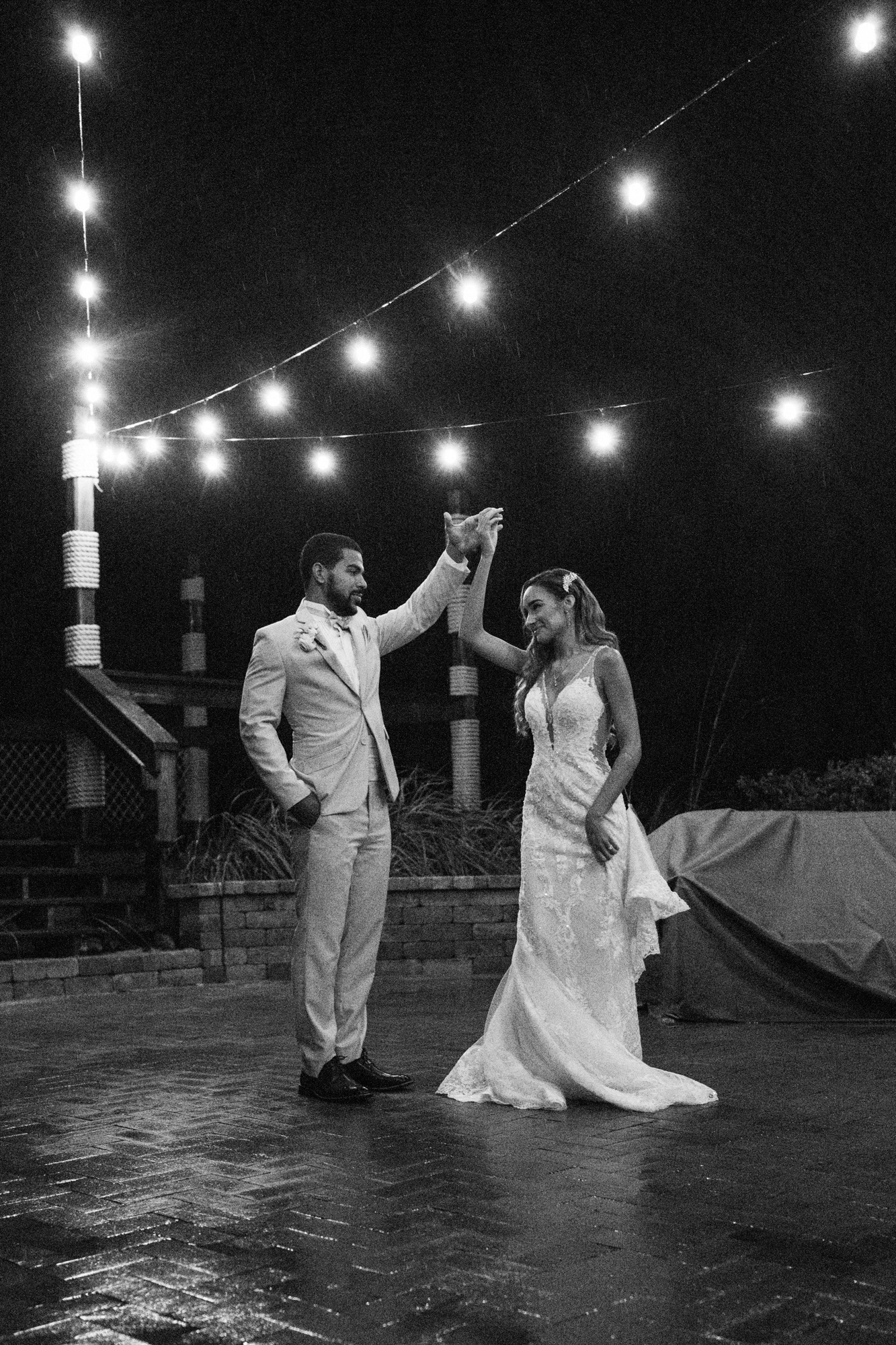
Can we take wedding photographs in the rain?
Sometimes—if the rain is light, the conditions are safe and you are comfortable doing it.
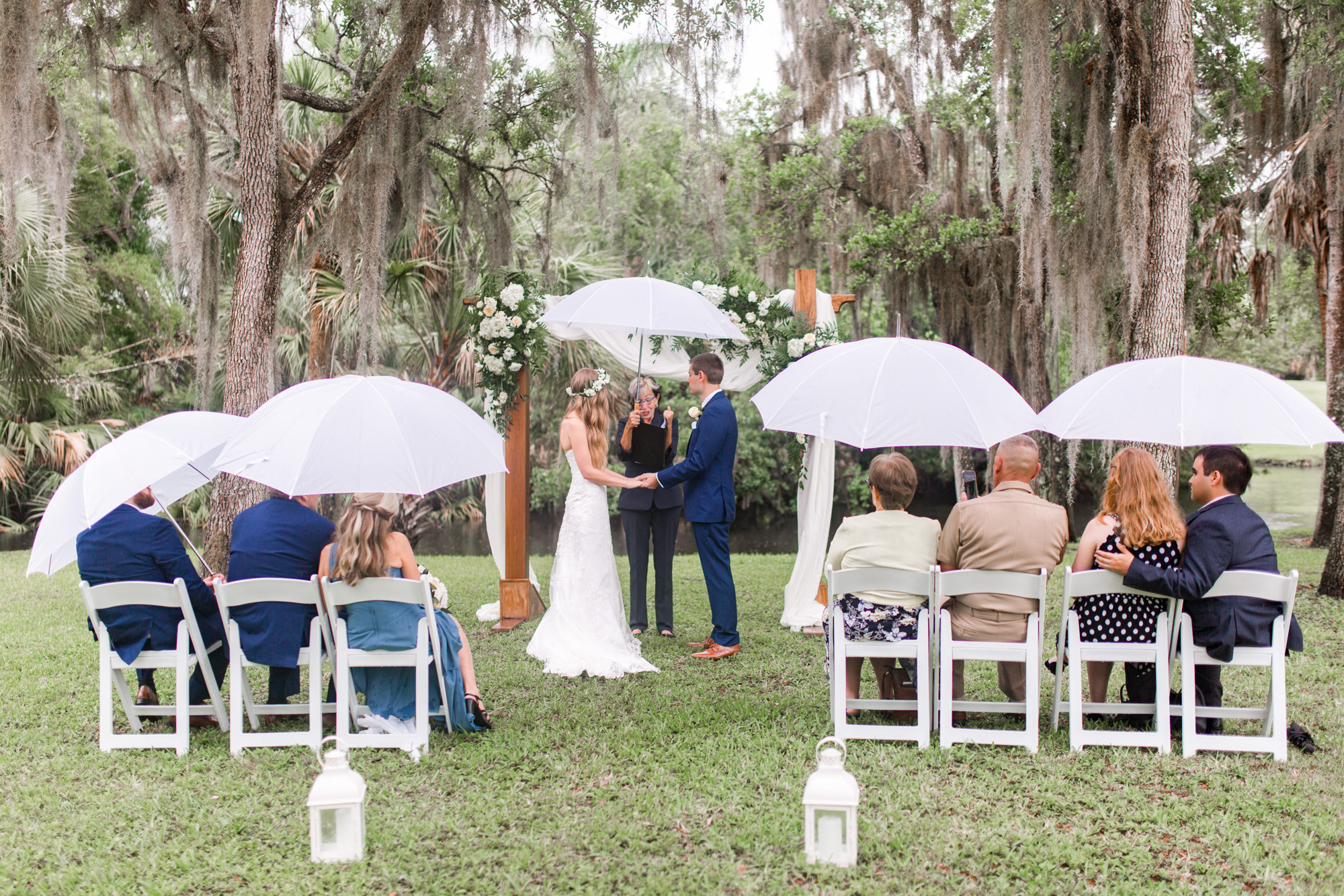
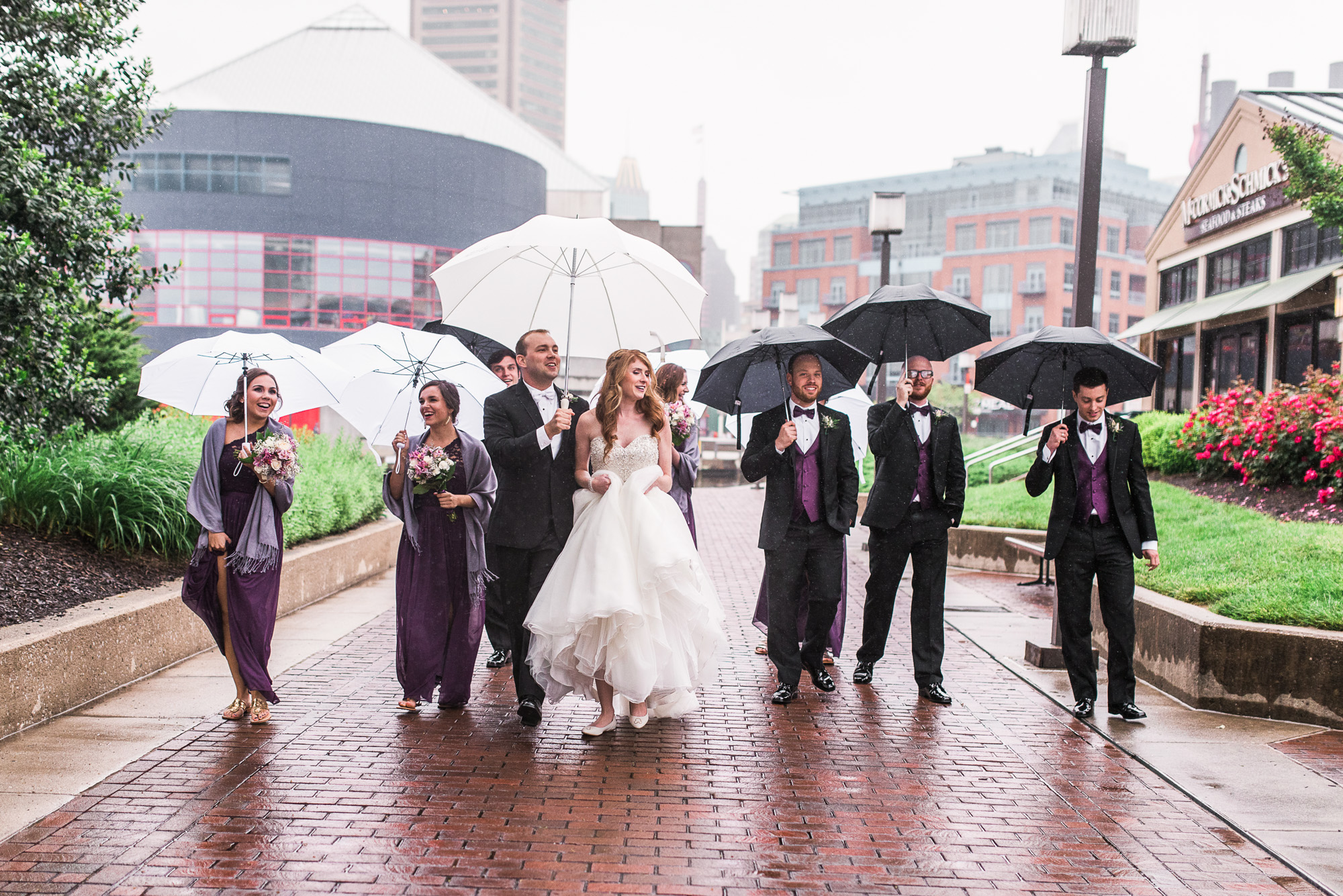
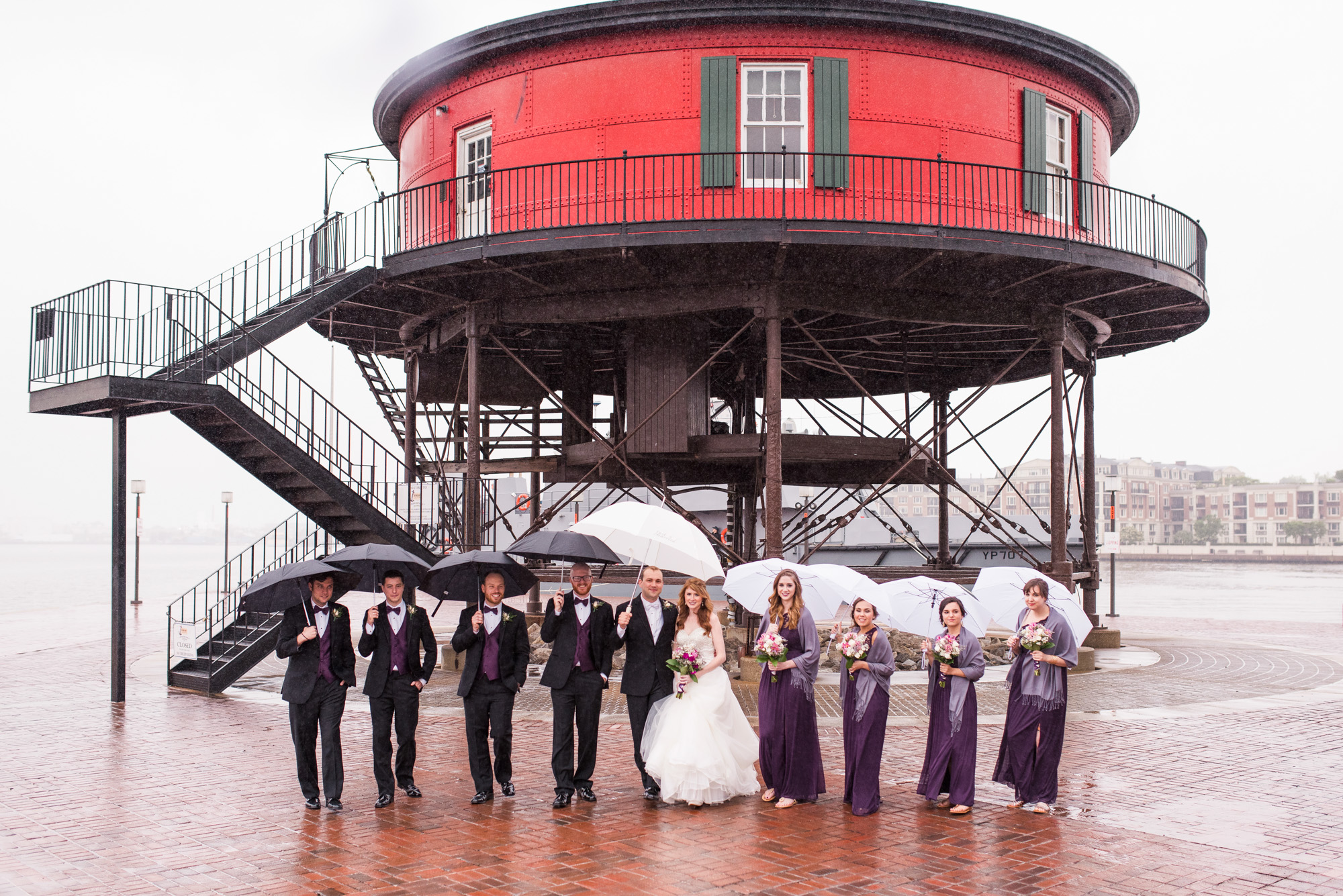
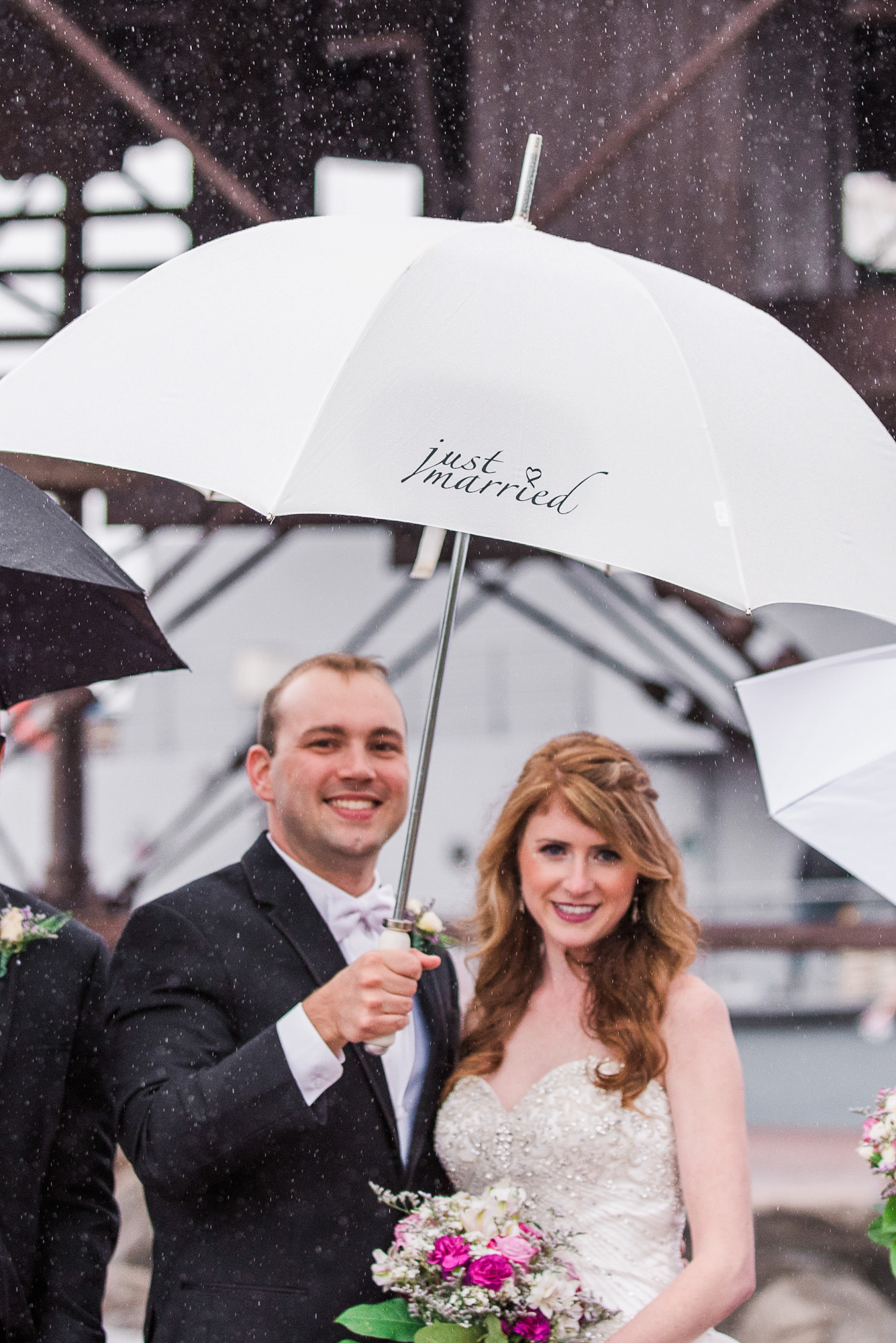
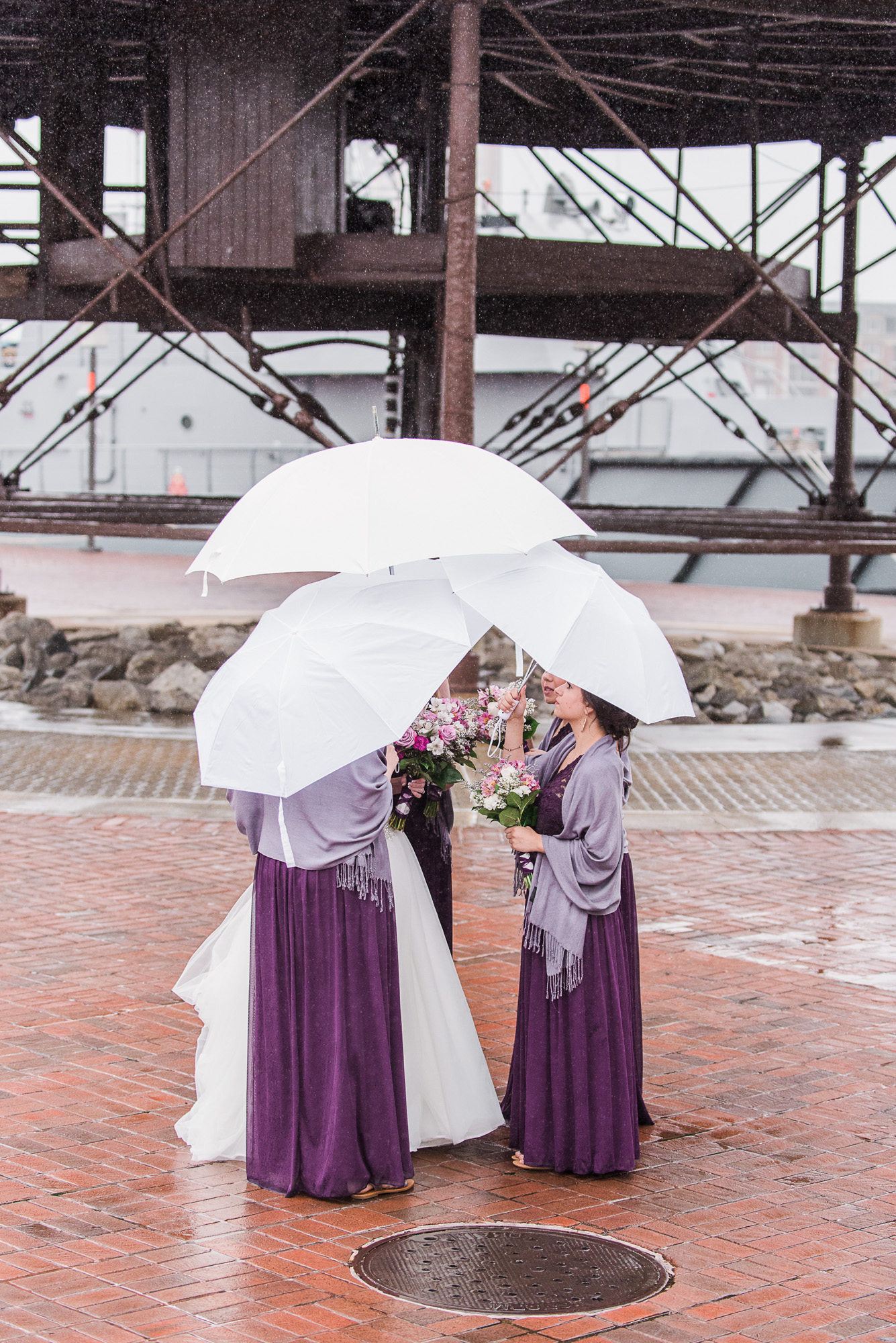
A clear umbrella can create lovely photographs without hiding your faces or changing the colors in the image. Light rain can also reflect lights and create a romantic atmosphere after dark.
But I will never pressure you to stand outside in uncomfortable or unsafe weather simply to create a photograph.
We will not go onto the beach or into an exposed area when lightning is nearby. We will not risk your safety, your guests’ safety or expensive photography equipment during a dangerous storm.
If you want to step outside during gentle rain, wonderful. If you would rather stay dry, we will use covered and indoor locations.
The photographs should support your experience—not require you to be miserable for them.
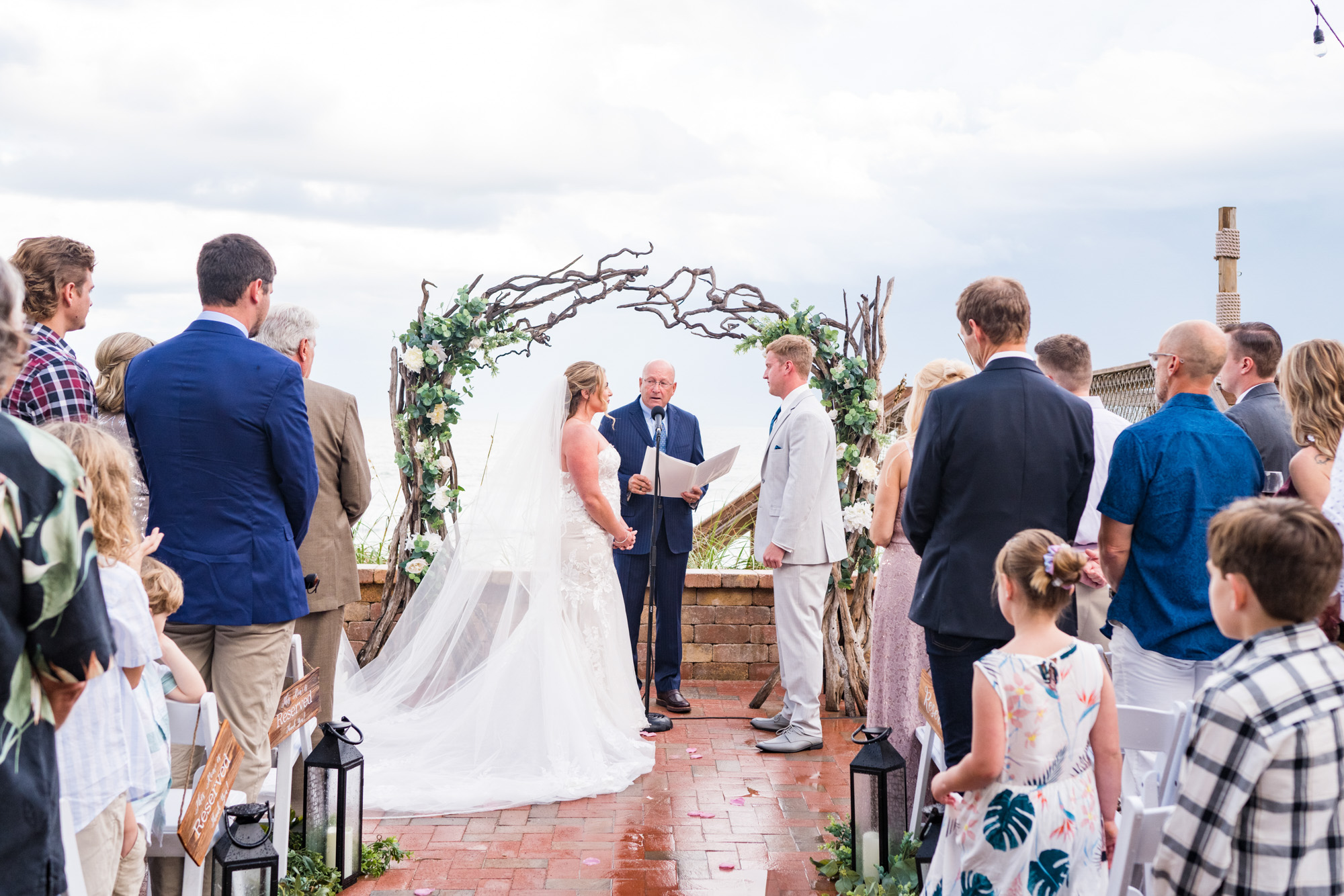
What about an outdoor ceremony?
Your venue and planner will help determine whether an outdoor ceremony can proceed.
That decision needs to consider more than whether rain is falling at the exact ceremony time. The team may also need time to place chairs, arrange flowers, protect sound equipment and give guests safe access to the space.
Wet sand, slippery walkways, strong wind and lightning can all affect the decision.
If the ceremony moves indoors or under cover, try to release the original vision rather than treating the new location as a lesser version of the wedding.
The words, reactions and people remain the same.
Your guests will remember the way you looked at each other far more clearly than they will remember which direction the chairs faced.
Prepare a small rain kit
You do not need to arrive with emergency supplies for a hurricane. A few practical items are enough:
- Two or three clear umbrellas
- Towels for damp chairs, feet or clothing
- A second pair of shoes
- Flip-flops for moving between locations
- A garment bag
- A small touch-up kit for hair and makeup
- Extra hairpins
- Tissues
- A change of clothes for young children
- A positive attitude about adjusting the plan
Choose umbrellas large enough to cover you without completely surrounding your faces. Clear or simple neutral umbrellas usually photograph better than brightly colored promotional ones.
Your planner or venue may already have umbrellas available, so ask before purchasing a dozen of them.
Protect the important details
If rain is likely, keep paper items, clothing and personal details inside until they are needed.
Invitations, vow books and handwritten letters can be damaged quickly. Dresses and long veils can absorb water from wet ground, even after the rain stops.
This does not mean everything must remain perfectly clean. Wedding clothes are meant to be worn, and some dirt around the bottom of a dress is normal by the end of the day.
We simply want to avoid soaking important items before the ceremony or portraits have begun.
Rain can create real moments
Unexpected weather often produces photographs that could never have been planned.
Everyone may crowd together under a covered patio. A parent may lift the end of a dress over a puddle. The wedding party may run through the rain laughing. Guests may cheer when the sky clears just before the ceremony.
Those moments become part of the story.
Your photographs do not need to pretend that the rain never happened. They can show how the two of you—and everyone who loves you—experienced the day together.
That is far more meaningful than forcing every photograph to look like the original plan.
Try not to spend the week obsessing over the forecast
This may be the hardest advice to follow.
Checking the forecast repeatedly will not change it, and forecasts several days ahead can change significantly.
Make sure you have a backup plan. Communicate with your planner. Bring a few practical supplies. Then allow your vendor team to do its job.
On the wedding day, your responsibility is not to control the sky.
Your responsibility is to marry your person and enjoy the people who showed up to celebrate with you.
Will rain ruin your Florida wedding photographs?
No.
It may change some of them. We may use a covered walkway, an indoor room or a break between showers instead of the exact outdoor location we originally planned.
But beautiful wedding photography does not depend on a completely blue sky.
It depends on light, experience, flexibility and—most importantly—the people in front of the camera.
If it rains, we will adjust. If the sky clears, we will be ready. If the storm creates dramatic clouds, we may create something even more memorable than the original plan.
Your wedding does not need perfect weather to be joyful, meaningful or beautifully photographed.
If you are planning a wedding in Melbourne, Melbourne Beach, Vero Beach, Orlando or elsewhere in Florida, I would love to help you create a photography plan that leaves room for real weather and real life.
Learn more about the Wedding Experience →